Arabi Facts Hub
is a nonprofit organization dedicated to research mis/disinformation in the Arabic content on the Internet and provide innovative solutions to detect and identify it.
The Seven Days: Narratives of the War on Iran
May. 18, 2026 | AFH
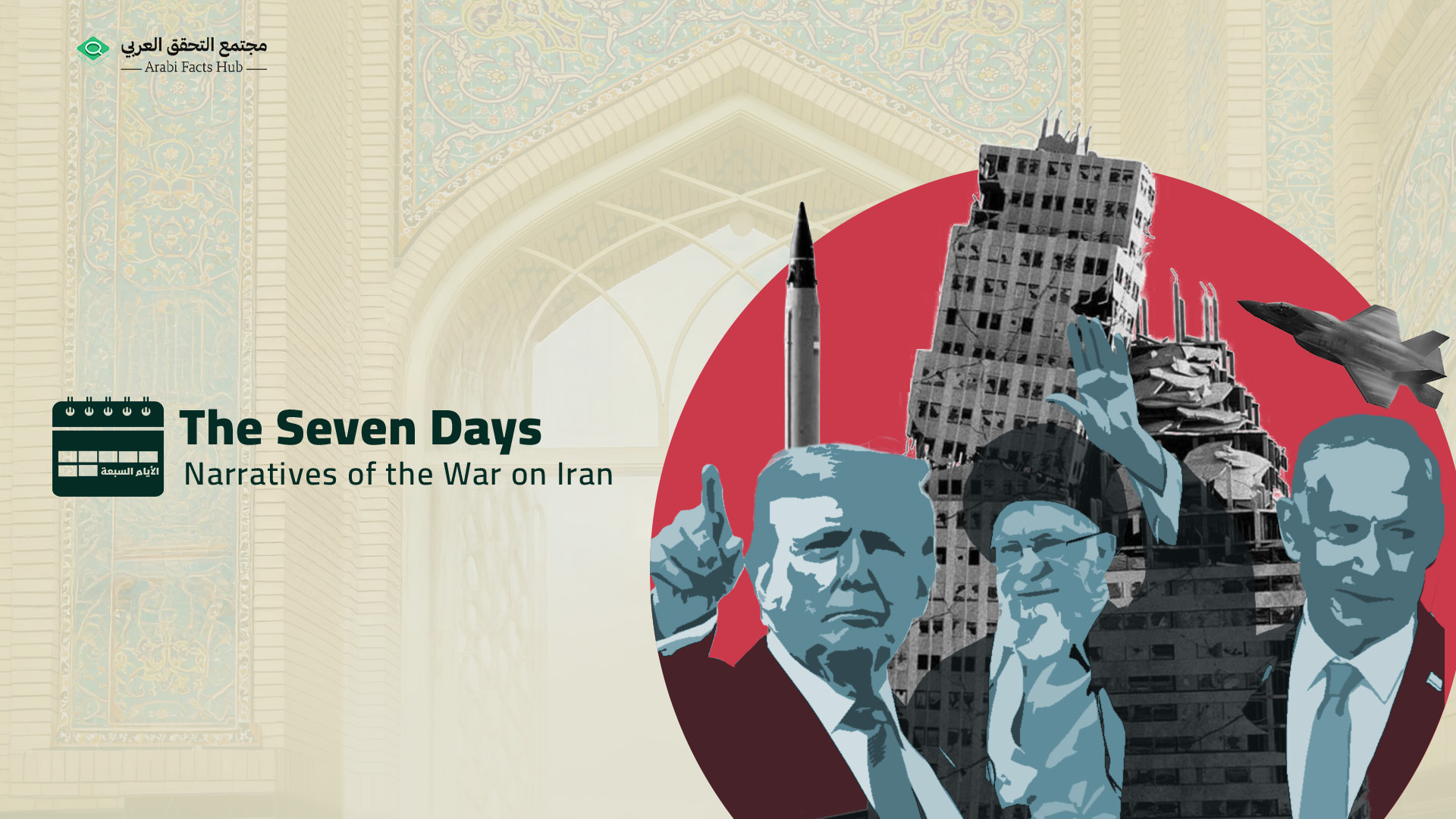
This project was prepared in cooperation between the Arab Fact-Checking Community and Anmat, and is published on "Muwatin.
When discussing the war on Iran, political stances and media biases vary, as is the case in other complex regional issues such as Palestine, Syria, and Yemen, to name a few. These stances are clearly reflected in Arabic-speaking media, each according to its funding, editorial policy, and political agenda.
These stances were put to a real test on February 28, 2026, when Iran was subjected to American-Israeli strikes, to which Tehran responded by bombing American bases and civilian and military sites in the Gulf states.
Ostensibly, the event seemed clear: a military attack and a reciprocal response. However, within the context of Iran's position in the Arab [Gulf] regional scene, the tone of discourse and coverage priorities quickly shifted from one platform to another, depending on the complexity of the conflict, the interference of its parties, and its political calculations.
From this standpoint, and based on the importance of understanding the impact of media narratives on shaping the Arab public's awareness of the reality they live in, this collaboration between the independent research initiative Anmat and Arabi Facts Hub (AFH) came about. The Anmat team took charge of building the database and analyzing the linguistic and narrative patterns within the published coverage, while the editorial team at AFH worked on reviewing data outputs through a journalistic lens, and transforming them into in-depth, publishable reports that contextualize the numbers and explain what lies behind them in clear language.
Because the first hours and days of any war reveal the priorities of newsrooms more than any subsequent stage, the project chose to place its magnifying glass on the first seven days of coverage, considering it the moment of greatest intensity in the production of initial narratives and the consolidation of general impressions.
In a media partnership with the Muwatin platform, Arabi Facts Hub prepared and edited this collection of six data-driven reports. The series is based on an extensive database, extracted and analyzed by Anmat, covering the output of five influential Arabic-speaking digital platforms: BBC Arabic, Al Jazeera, Al Arabiya, Sky News Arabia, and Russia Today.
The work included all materials published during the first three days preceding the American-Israeli strike, and then the first seven days of the war, spanning the period from February 28 to March 6, 2026, using open-source Python libraries.
The analysis also relied on the Association Rule Mining (ARM) methodology to study headlines and texts, by monitoring the most frequent words, analyzing and measuring the spread of recurrent linguistic structures, and then extracting the dominant linguistic patterns with statistical indicators that take into account the differences in publication volume among the different platforms.
These six reports represent a collaborative effort to analyze the first week of the war as presented by five distinct platforms. They examine how media shaped the Arab public's perception, identifying what was emphasized or omitted during a critical period when news reporting functioned as an extension of the conflict itself.
The First Report:
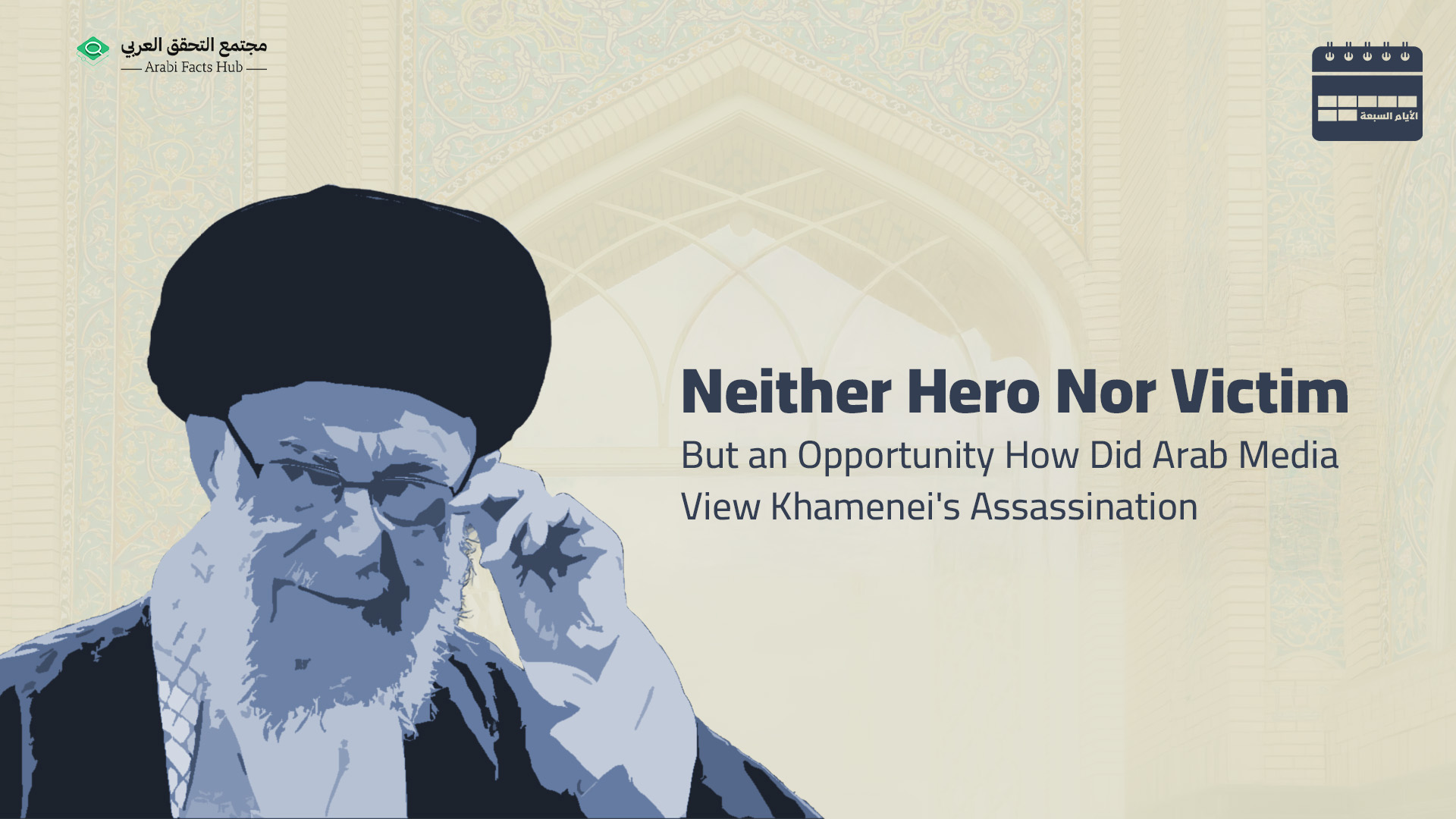
Neither Hero Nor Victim, But an Opportunity: How Did Arab Media View Khamenei's Assassination
The Second Report:
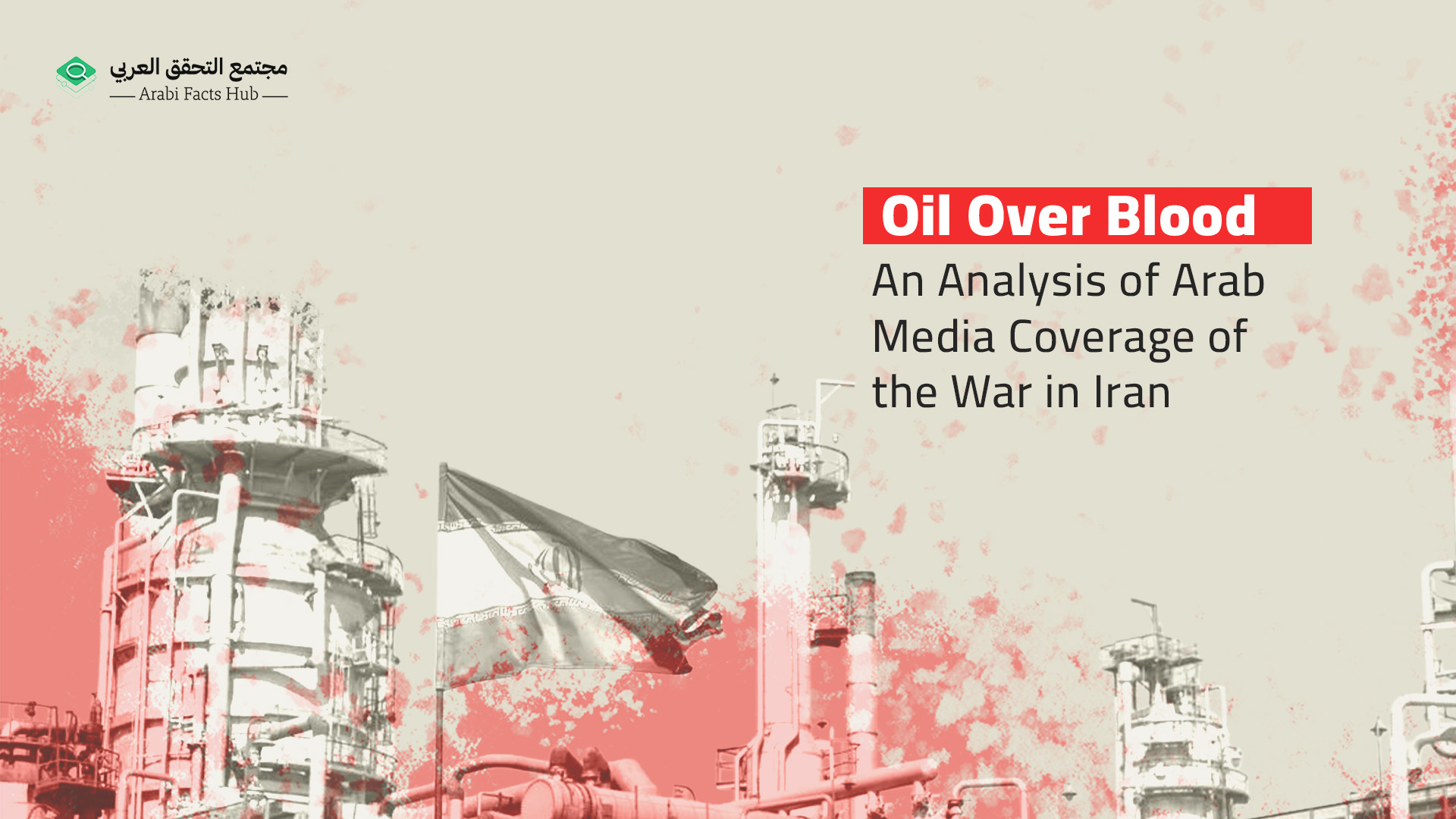
Oil Over Blood: An Analysis of Arab Media Coverage of the War in Iran
The Third Report:
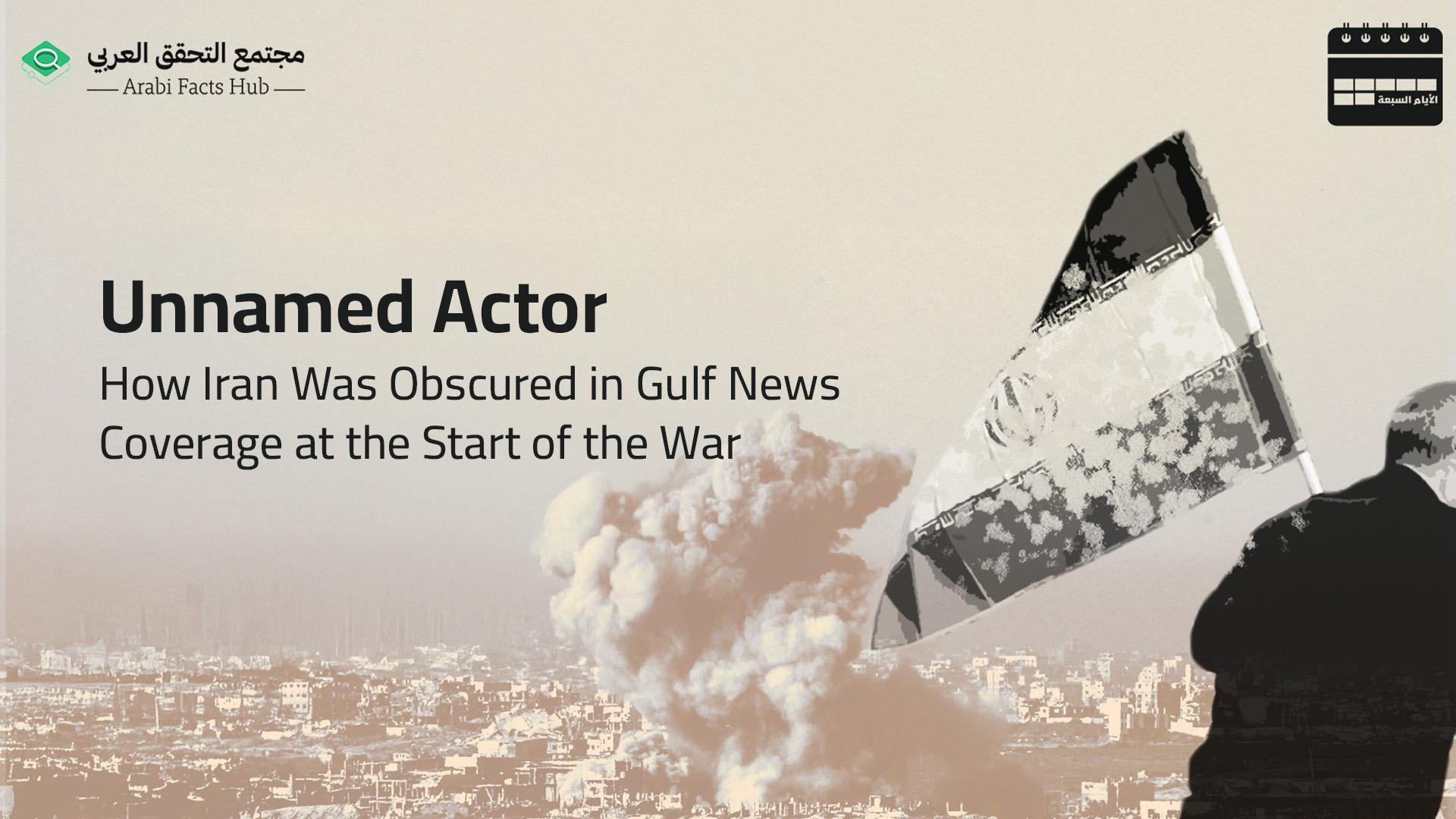
Unnamed Actor: How Iran Was Obscured in Gulf News Coverage at the Start of the War
:The Fourth Report
When the Headline Speaks: Who Has the Right to Shape the Narrative of the War on Iran
:The Fifth Report
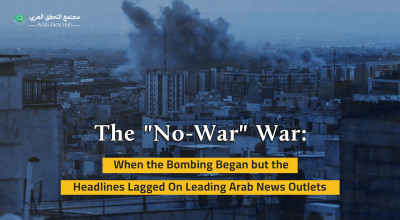
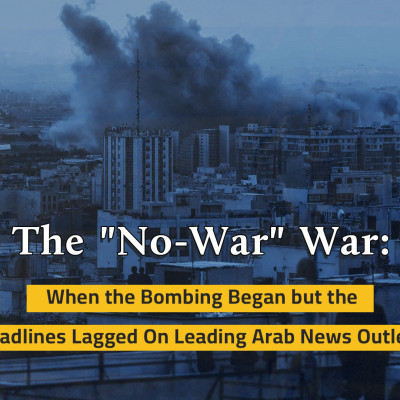
The "No-War" War: When the Bombing Began but the Headlines Lagged On Leading Arab News Outlets
:The SIXTH Report
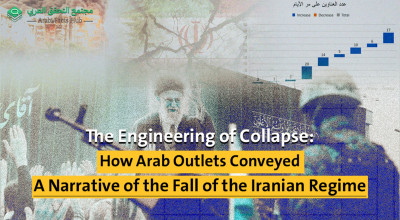
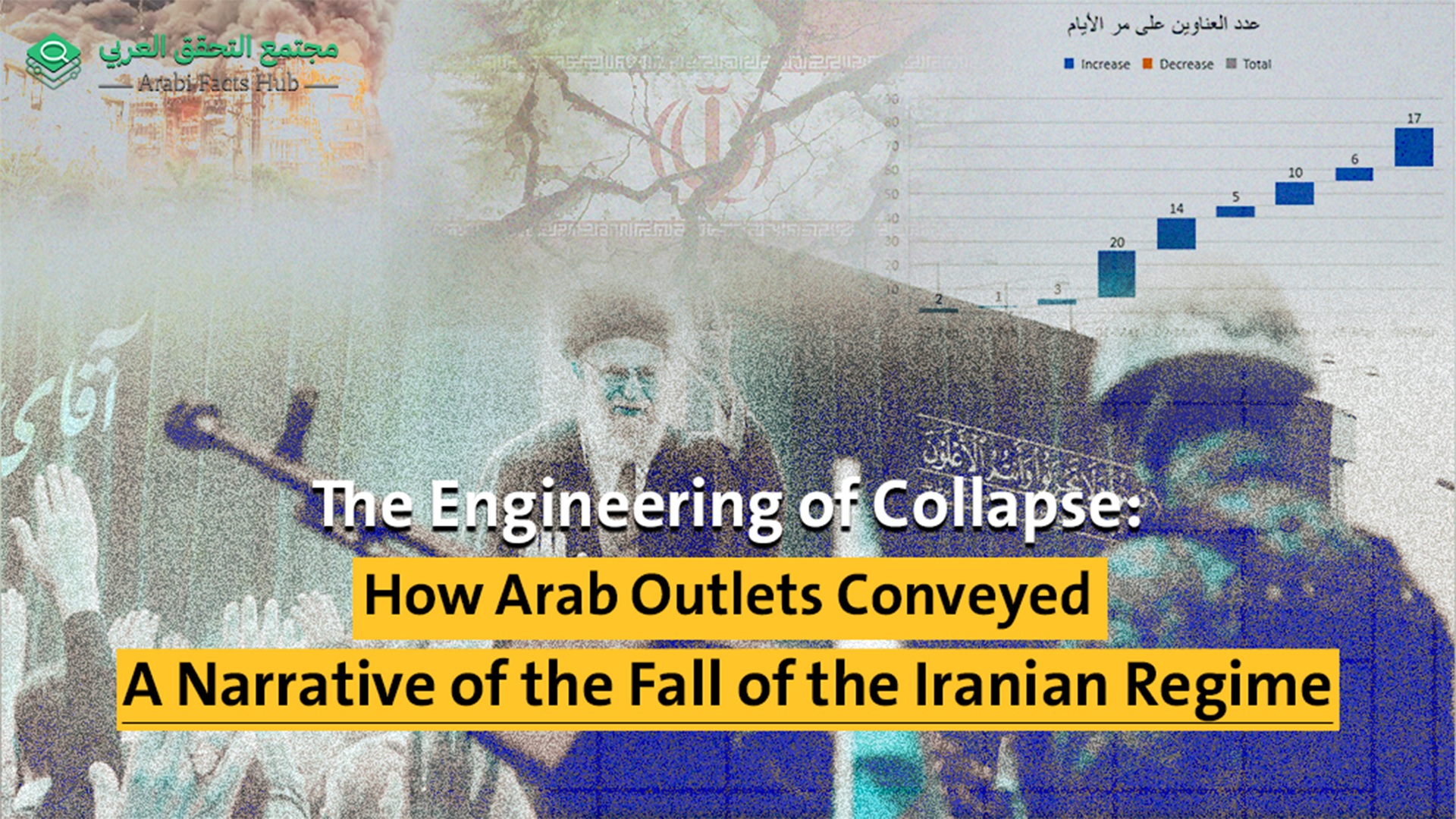
The Engineering of Collapse: How Arab Outlets Conveyed A Narrative of the Fall of the Iranian Regime

Other Articles