Arabi Facts Hub
is a nonprofit organization dedicated to research mis/disinformation in the Arabic content on the Internet and provide innovative solutions to detect and identify it.
Targeted Online Campaign Promotes Al-Maliki as Statesman and Symbol of State Prestige
Feb. 18, 2026 | AFH
Sherif Murad
Amidst the intense political rivalry within the Shia political sphere concerning the next Prime Minister of Iraq, Nouri Al-Maliki's name has resurfaced as a possible candidate for the Coordination Framework. In this context, the hashtag #المالكي_رجل_الدولة_وهيبتها (Al-Maliki, Statesman and Symbol of State Prestige) saw a significant surge in online activity from January 2 to February 2, 2026, as part of a targeted digital campaign promoting him as a statesman and symbol of state prestige.
This report relied on a quantitative and temporal analysis of posts associated with the hashtag during the monitoring period, based on publicly available data on TikTok, X, Facebook, Instagram, and YouTube. The analysis included measuring the number of posts related to the hashtag, engagement metrics (likes, comments, shares, and reposts), along with tracking the most active and influential accounts in terms of posting volume and engagement rates, with the aim of understanding the patterns of push and spread across different platforms. The report relies exclusively on publicly available data and does not include private or deleted content.
Instead of evolving organically through typical political discourse, this activity manifested in sporadic mobilization waves. These waves were timed to coincide with the release of high-impact content, particularly on TikTok. Quantitative data analysis indicates that a limited number of highly viral TikTok videos were the primary driver of the campaign's widespread public impact. While "X" did not serve as the main source of interaction, it played a complementary role by intensively injecting the hashtag through a small number of accounts, thereby maintaining its presence and repetition.
The description of the activity as a targeted online campaign is based on a set of combined behavioral indicators, including: the concentration of posting in a limited number of accounts, the repetition of identical or near-identical text messages across more than one platform, the appearance of short and intense waves of interaction during narrow time periods, in addition to the clear separation in the roles of the platforms between creating interaction and maintaining density. No single indicator is considered conclusive evidence of direct central coordination, rather, the description is based on the convergence of these indicators within one pattern.
The data also reveals indicators of seeding and recycling messages across more than one platform at sensitive time moments, raising questions about the nature of the activity, its management tools, and the extent to which it is a spontaneous expression of political support. The report focuses on analyzing the patterns of posting and interaction as they appear in the digital data, without offering conclusions about the party behind the campaign or its motives.
This report reviews, based on the analysis of posting and interaction data, the campaign's key indicators, its discourse, the accounts that launched and amplified it, the nature of the interaction with it, and its impact on the audience.
Key Campaign Indicators
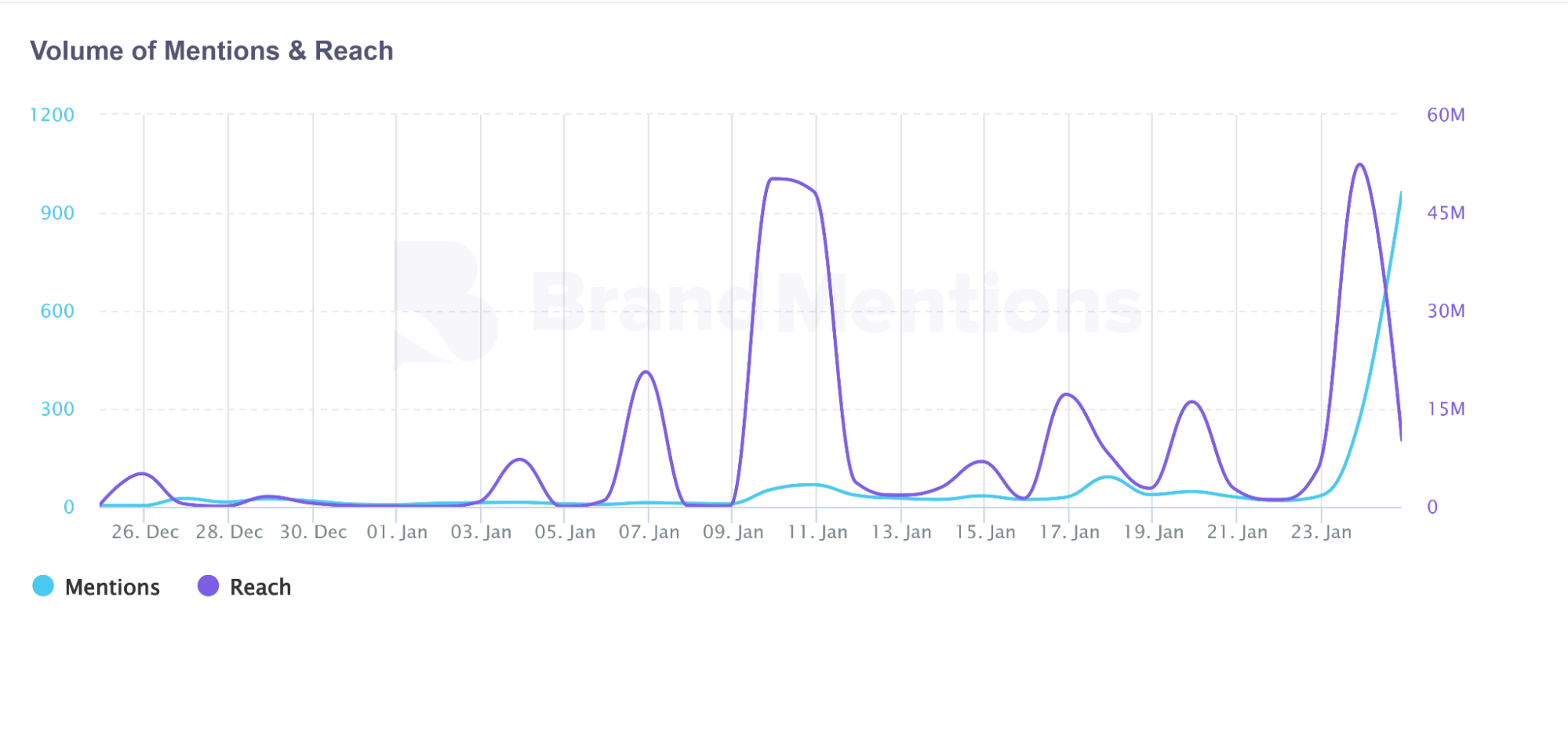
The online campaign centers on the hashtag #المالكي_رجل_الدولة_وهيبتها (Al-Maliki, Statesman and Symbol of State Prestige). This hashtag saw a surge of activity between January 2 and February 2, 2026. Data from Brand Mention indicates that 1,608 posts were created using the hashtag across digital platforms. Notably, the volume of posts exhibited a clear disconnect from the actual reach or influence of the campaign.
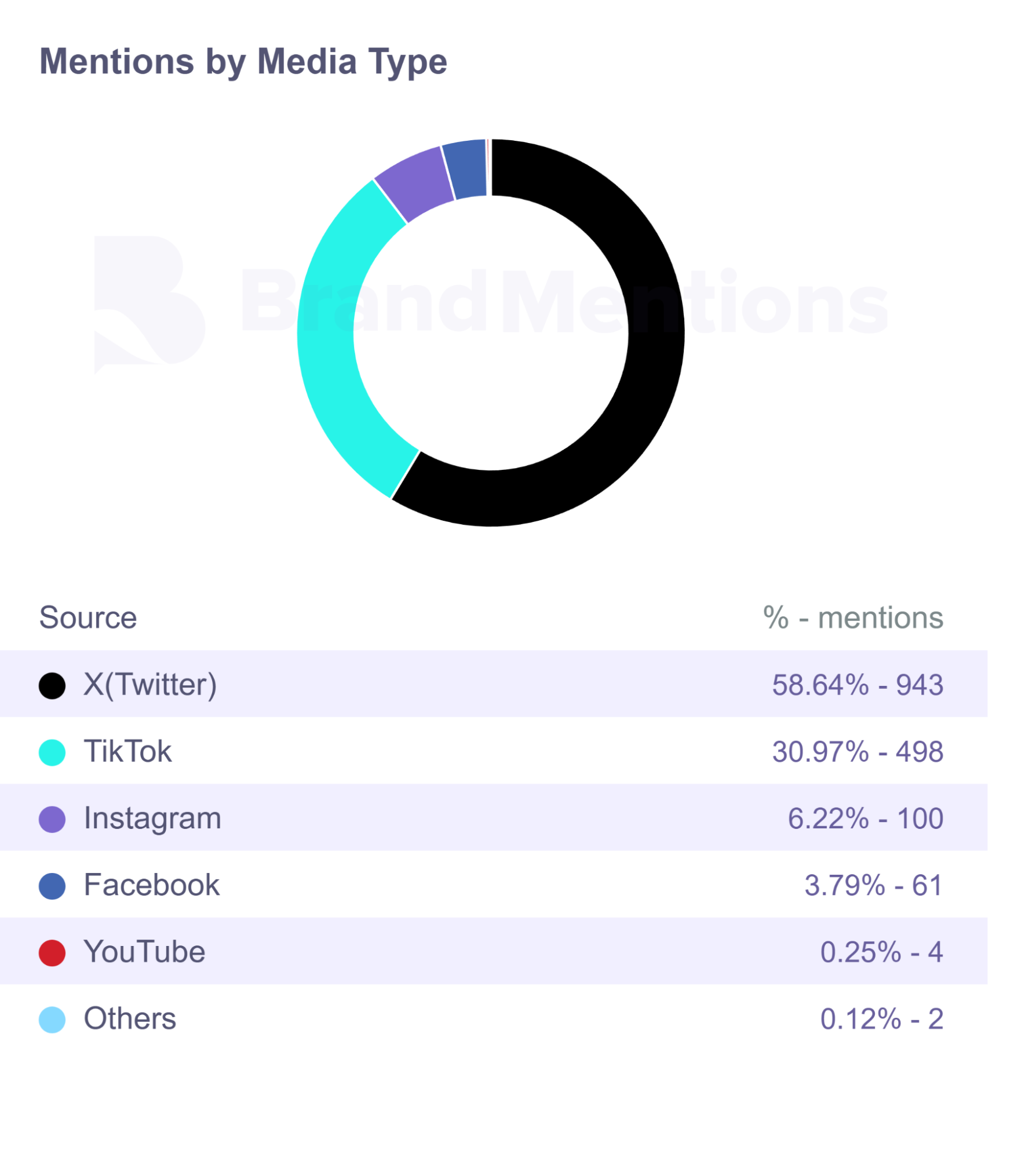
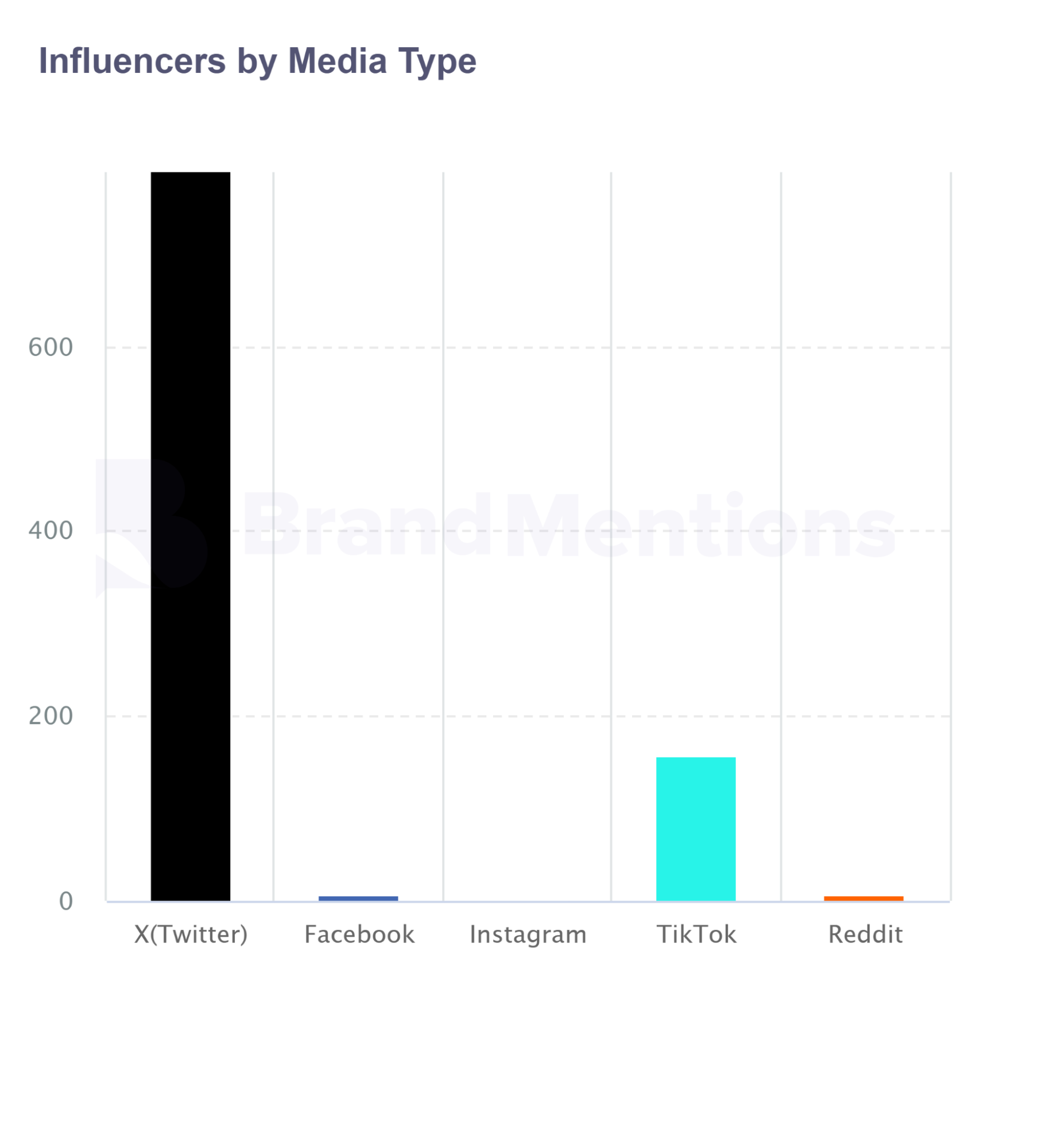
In terms of the number of posts, X came first with 943 posts (58.6%), followed by TikTok with 498 posts (31%), then Instagram with 100 posts, and Facebook with 61 posts, while YouTube and websites recorded a marginal presence of no more than six posts combined.
However, this numerical distribution does not reflect the true extent of the campaign's impact. When looking at engagement indicators, data shows that TikTok alone accounted for approximately 98.9% of the total recorded interactions, with a total of nearly 9 million interactions, compared to a very limited contribution from X, despite it being the platform with the most content production. This sharp disparity indicates that mass reach was achieved not through the intensity of posting, but through a limited number of videos with extremely high engagement.
The activity's temporal pattern is not a continuous, natural progression; instead, it is characterized by intermittent bursts of mobilization. Engagement peaks are clearly evident on specific days, most notably January 10th, then January 17th, leading to two consecutive waves on January 24th and 25th. These peaks are characterized by their short duration, often occurring within a limited number of hours, reflecting a push pattern that relies on concentrated bursts of content rather than extended, gradual interaction.
Collectively, these indicators show a clear separation in the roles of the platforms within the campaign; TikTok played a central role in creating major leaps in engagement and reaching a wide audience, while X was used intensively to maintain the hashtag's presence and repetition within the digital political discussion, without being the primary source of mass influence.
The Tag and Political Context
The mobilization drive associated with the hashtag #المالكي_رجل_الدولة_وهيبتها (Al-Maliki Statesman and Symbol of State Prestige) must be understood within the broader framework of Iraqi politics. Specifically, it is interconnected with the current uncertainty within the Coordination Framework regarding potential future political arrangements and the contest for the premiership. The campaign's interaction data reveals that peak activity was not sustained or incrementally built up, but rather coincided with specific, isolated time points. This suggests a potential connection to external political and media events, though a direct causal link cannot be definitively established.
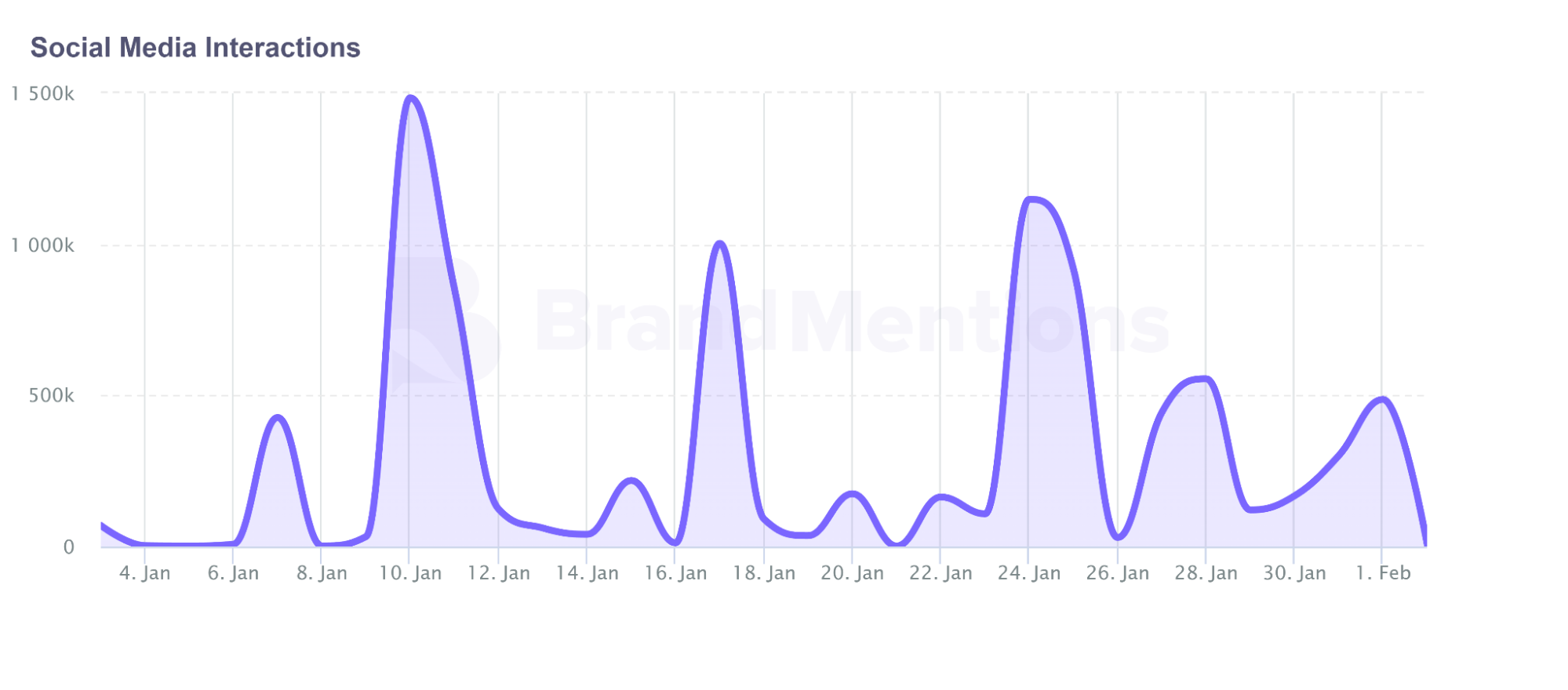
The first prominent waves of interaction were recorded on January 10, when the hashtag saw a sharp jump in interaction within a few hours. This coincided with the escalation of media and political talk about names nominated for the premiership, and the return of Nouri al-Maliki's name to circulation as a major player within the frameworks of the Coordination Framework. This coincidence is not conclusive evidence of direct guidance, but it indicates that the hashtag was used at a sensitive political moment that was capable of mobilizing the supporting public.
This was followed by a second wave on January 17, which was shorter in duration but more focused in terms of interaction, and was linked - according to the data pattern - to the spread of high-impact content within a narrow timeframe. It is noted that this wave did not rely on wide publishing intensity, but rather on a limited push of content, which reflects an investment in a specific political or media moment rather than an attempt to create an ongoing public debate.
The two consecutive waves on January 24 and 25 seem to be a continuation of the trend to reactivate the hashtag as the month-end drew near. This occurred while political speculation remained high regarding the potential results of negotiations within the Coordination Framework. This phase of the data reveals a correlation between heightened interaction, driven by visual content on TikTok, and a concurrent surge in posting activity on X. This pattern suggests a deliberate strategy to sustain the hashtag's momentum and connect it to evolving political developments.
Overall, the campaign does not show a connection to a single decisive event, but rather reflects repeated interaction with a shifting political context. The hashtag is reactivated whenever Al-Maliki's name returns to the political or media forefront, making it a usable tool in moments of negotiation or repositioning within the political scene, rather than a stable expression of an extended public debate.
Discourse and Narrative Analysis
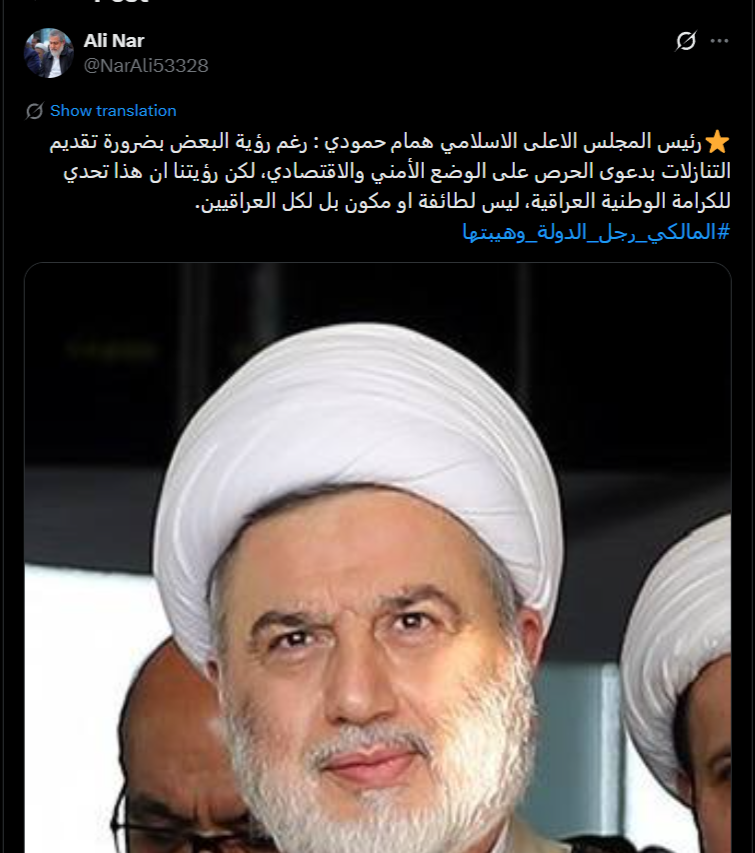
The narrative surrounding the hashtag "Al-Maliki Statesman and Symbol of State Prestige" is openly supportive, aiming to redefine Nouri al-Maliki as an emblem of "state prestige" and "strong leadership." This effort contrasts with a depiction of the Iraqi political landscape as indecisive and unstable. The most frequently used language and associated secondary hashtags clearly reflect this promotional focus.
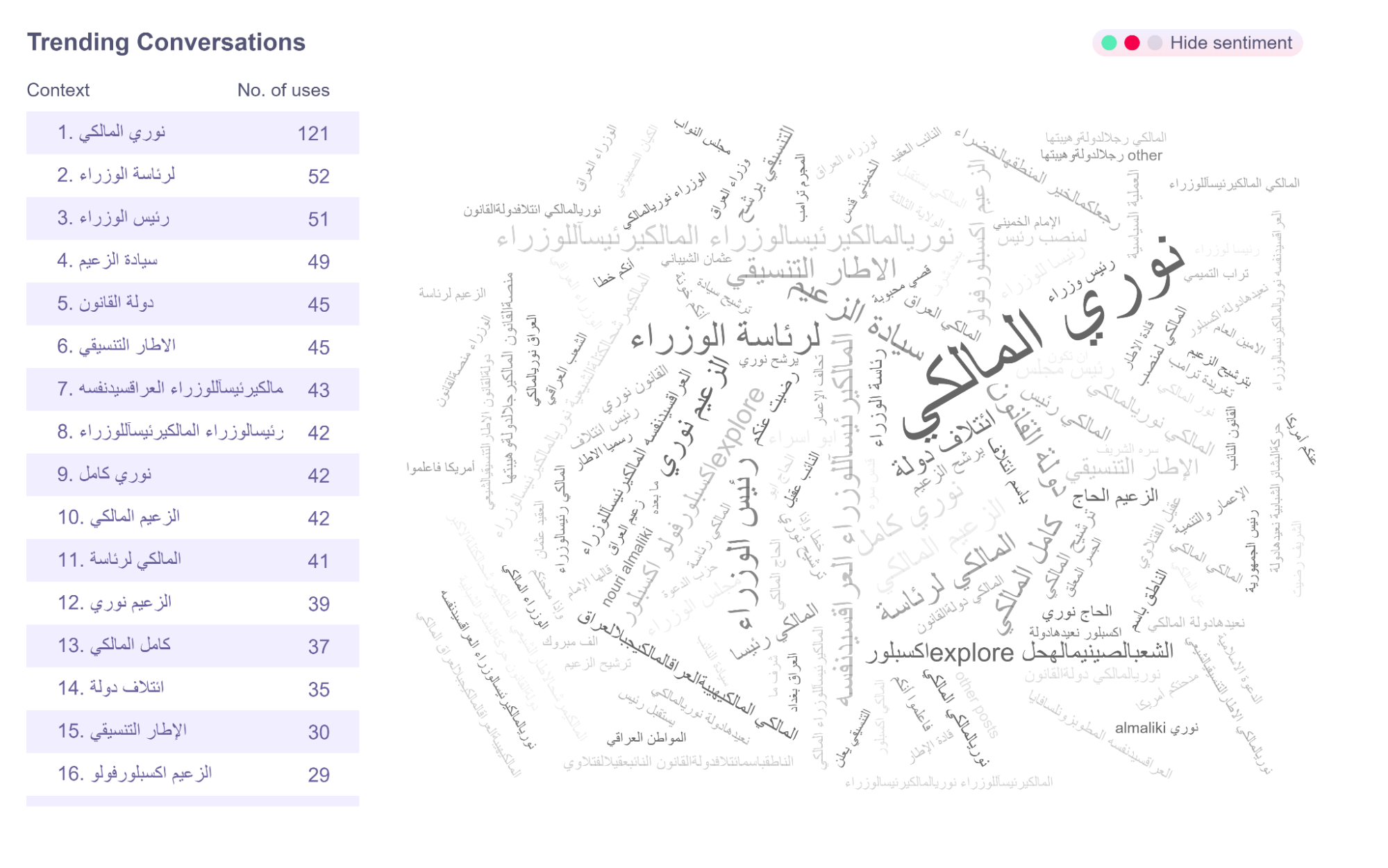
The prevailing language is highly complimentary and evaluative, featuring terms such as: The Leader, Statesman, Prestige, Leadership, Decisiveness. Furthermore, Al-Maliki is consistently associated with institutional and sovereign entities like the state, the premiership, the largest bloc, and the Coordination Framework. The emphasis of this discourse is less on policy discussions or political programs and more on constructing a simple mental image of a particular political figure by repeatedly stressing easily communicable traits.
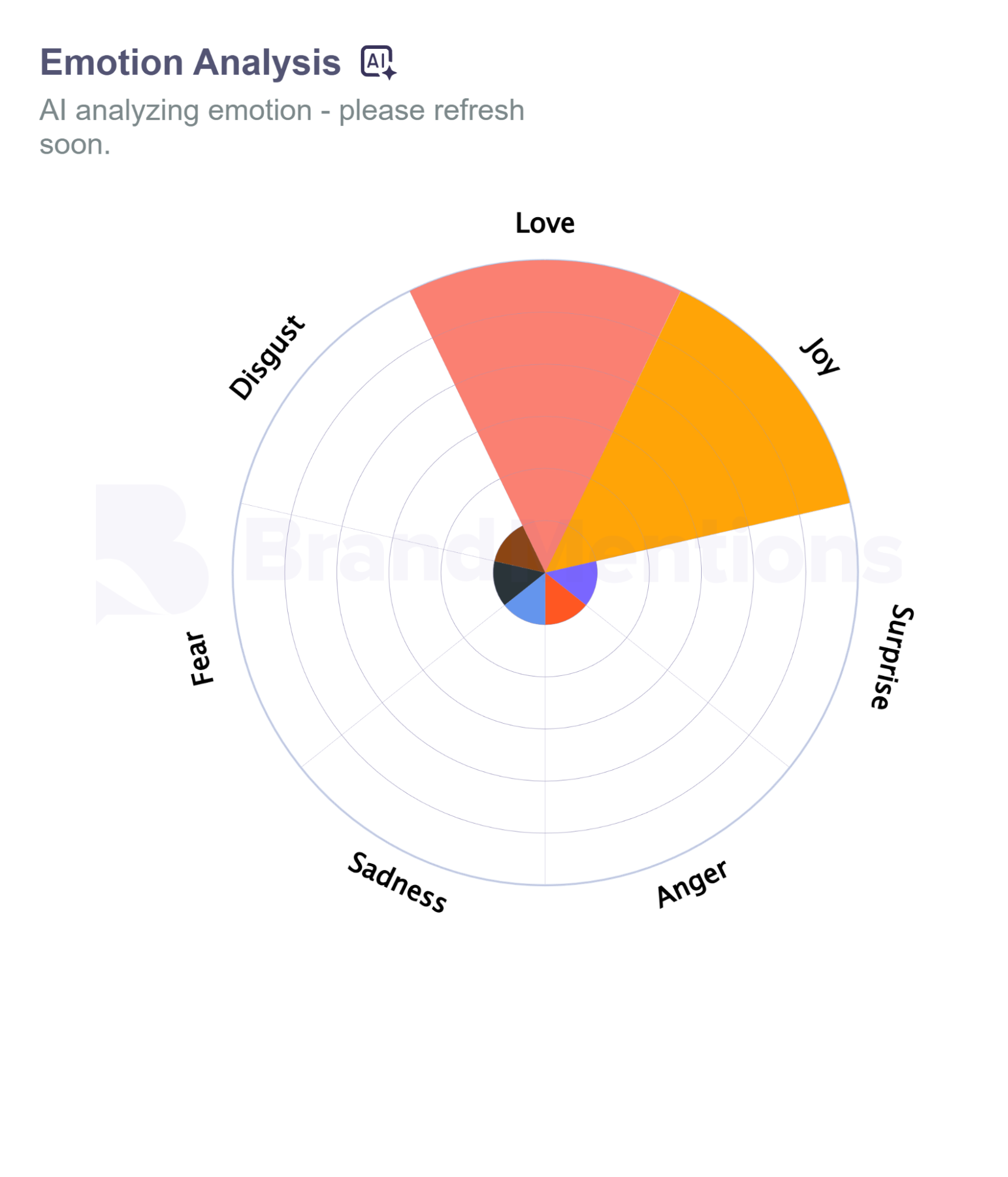
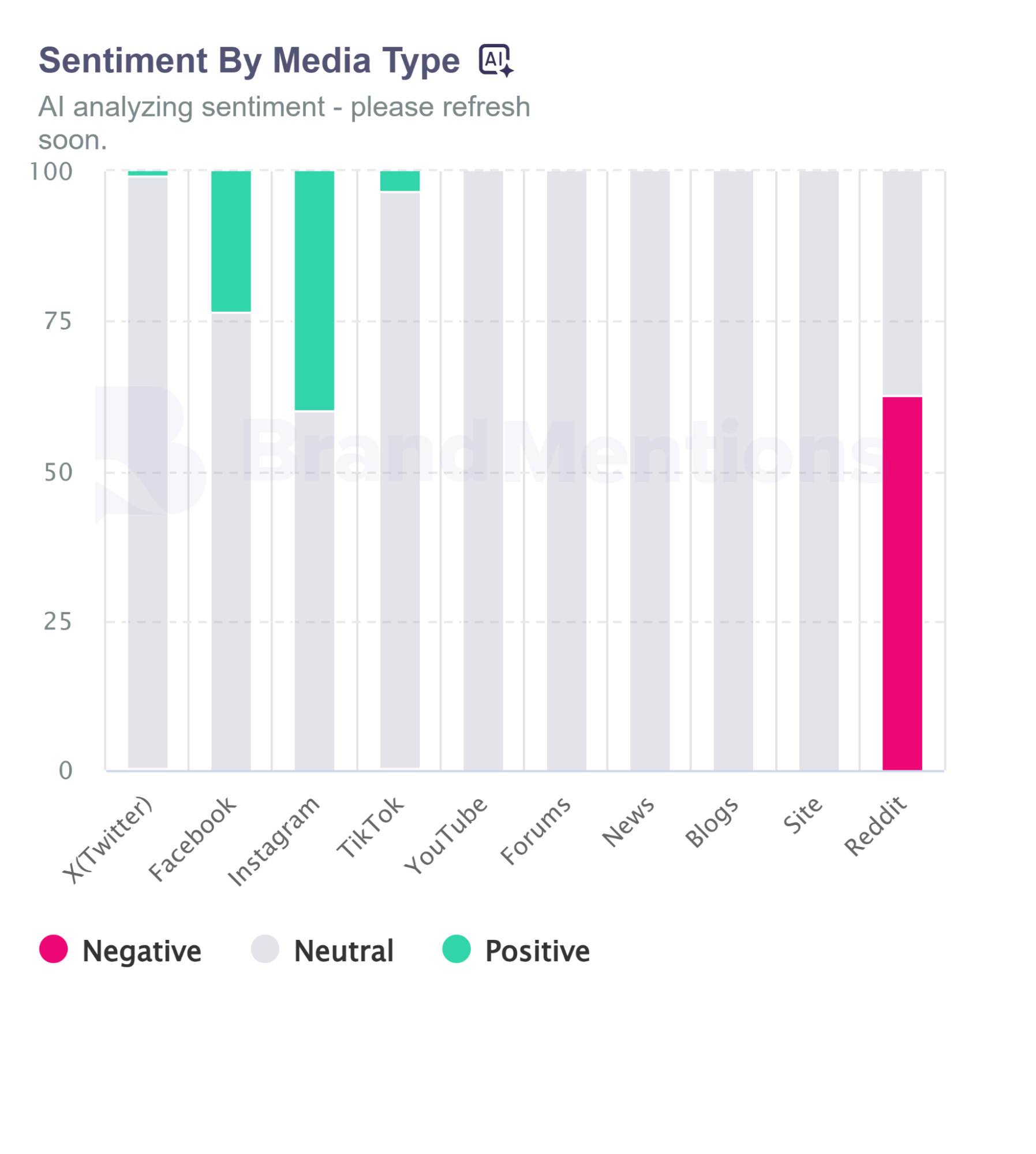
As for sentiment, the discourse tends towards high positivity, which is consistent with the nature of advocacy campaigns. The texts in circulation rarely carry a critical or polemical character and do not enter into direct confrontation with specific political opponents. Instead, they adopt a one-way approach based on praise and assertion, rather than arguing or presenting detailed evidence. This pattern is easy to republish without the need for deep analytical engagement.
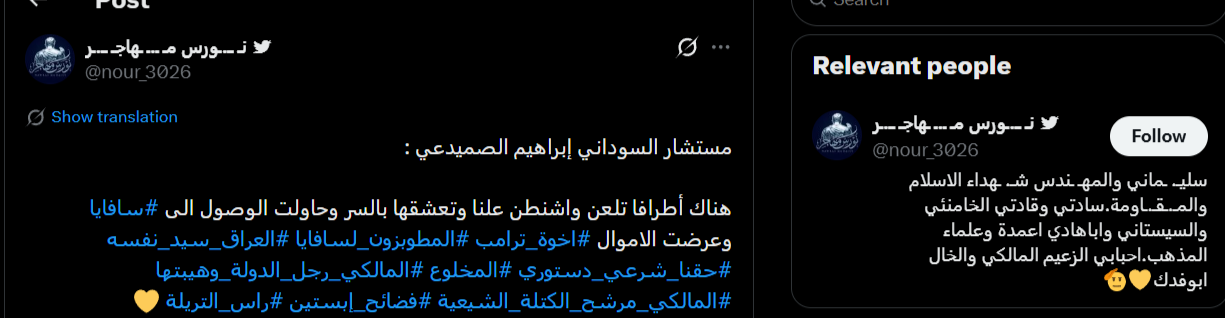
The communication style noticeably shifts across platforms. On X, the posts are typically concise and repetitive, heavily utilizing political hashtags and links. This approach is geared towards injecting pre-packaged political messages directly into the digital space. Conversely, TikTok employs a visual format—relying on clips, music, and effects—to reframe the political message. This results in a quick, emotionally accessible content mold designed to easily reach a wider audience, including those who may not participate in conventional political discussions.
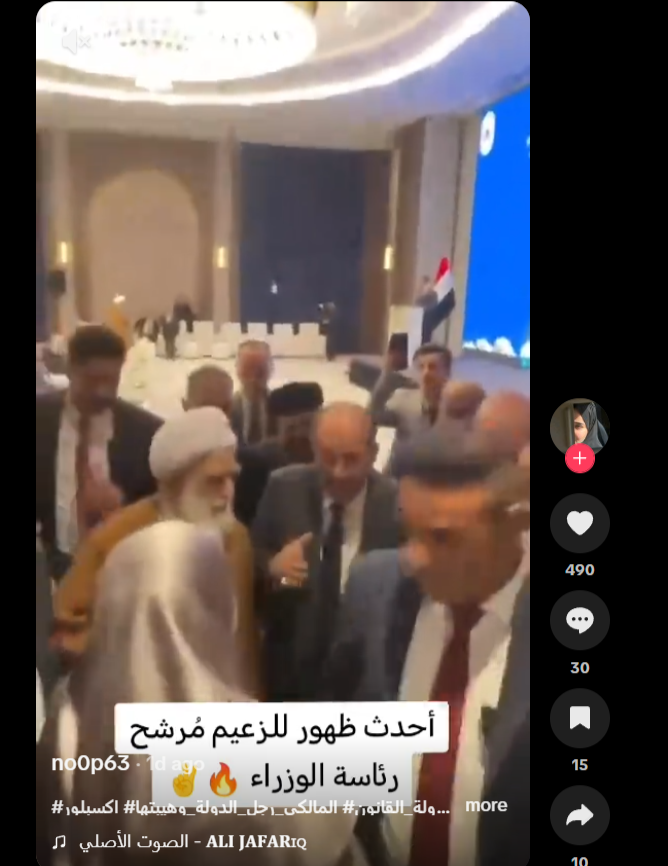
This disparity indicates that the activity was not limited to a single static message but employed a narrative adaptation tailored to the nature of each platform: a textual, mobilizing discourse directed at followers of public affairs on X, and an emotional, visual discourse directed at a broader audience on TikTok. In both cases, the central narrative remains the same: asserting Al-Maliki's political eligibility and legitimacy by invoking the concepts of the state, prestige, and stability.
Interaction and Recycling Patterns
Analysis of the nature of interaction with the hashtag reveals an imbalanced pattern between the production of original content and reposting, which is an important indicator for understanding how the campaign is being driven and spread across different platforms.
On the X, which recorded the largest number of posts, it is clear that a significant portion of the activity came through re-posts and quotes rather than diverse original posts. This is evident from the concentration of posting in a limited number of accounts that repeatedly re-circulated the hashtag and related messages, with minor or no changes in wording. The lower the percentage of original content compared to the increase in re-posts, the more this indicated a mobilization pattern aimed at raising the intensity of visibility instead of expanding the circle of discussion.
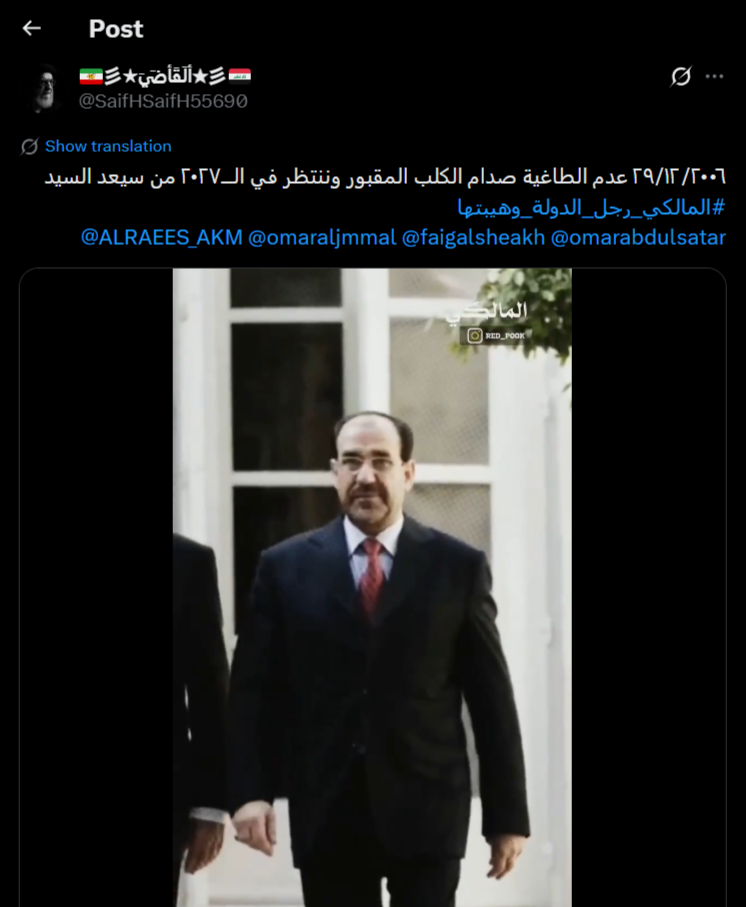
The data shows that one account on X published 311 posts during the monitoring period, which is equivalent to about one-third of the total posts on the platform linked to the campaign. The top five accounts also contributed more than half of the posting volume on X, a distribution that differs from normal interaction patterns, which are usually characterized by greater diversity in content sources.
In terms of temporal frequency, some of the most active accounts published their content at very short intervals, reaching less than five minutes between posts in several cases, and sometimes less than one minute. This rate is considered high compared to typical human usage patterns, especially when coupled with the repetition of the same hashtag or recycling of the same messages.
In contrast, the interaction pattern on TikTok is different, where original content dominates in form (video clips), but the impact remains highly concentrated. A very limited number of videos garnered the largest percentage of interactions, while the rest of the content remained within a limited scope of influence. This indicates that the campaign relies on "peaks of spread" created by specific clips, rather than a broad horizontal spread of diverse content.
Taken together, these indicators suggest that engagement with the hashtag is not characterized by open debate or widespread organic circulation. Instead, the activity points toward organized mobilization, marked by repetition, high density, and frequent reposting, particularly on X. This stands in contrast to the more limited but highly impactful investment in visual content observed on TikTok.
This type of inauthentic behavior is a violation of X platform policies, and therefore the platform should impose more control to uncover the networks launching coordinated campaigns, especially if these campaigns seek to guide public opinion through the artificial amplification of hashtags.
Campaign Kick-off Across Platforms
The hashtag's debut was not confined to one main platform; rather, it emerged almost simultaneously across several platforms. Notably, TikTok preceded X in featuring the hashtag.
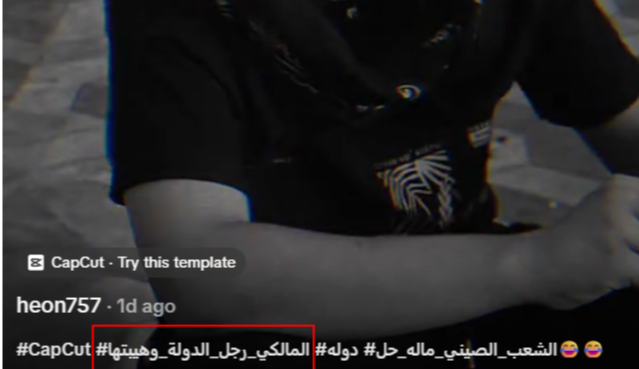
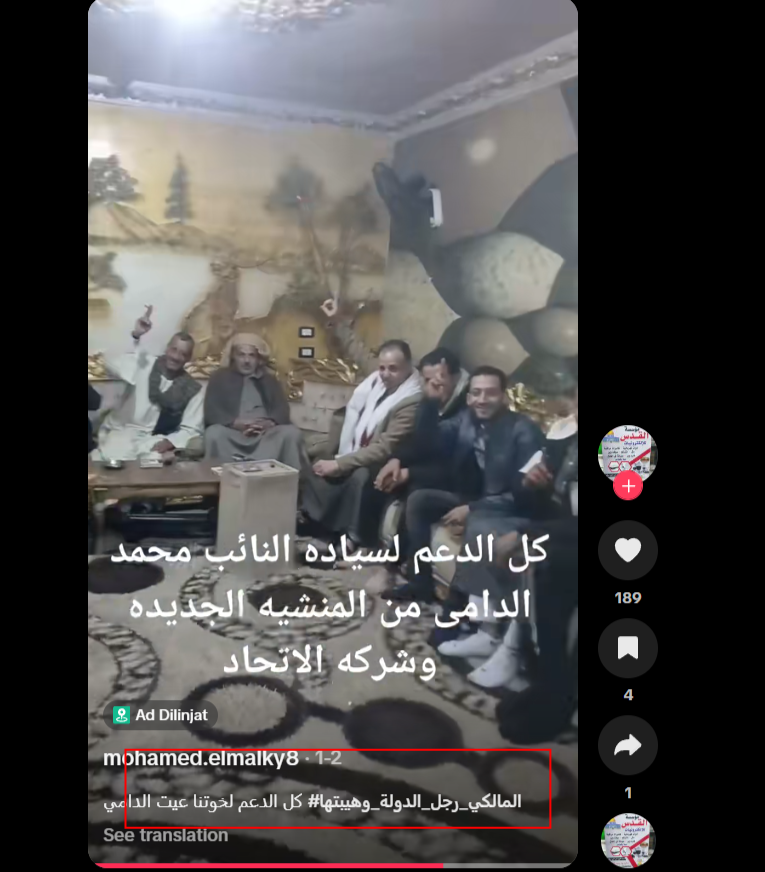
The earliest appearance of the hashtag on TikTok was recorded via the account @mohamed.elmalky 8 on January 2, 2026 (13:54), making TikTok the initial launch platform.
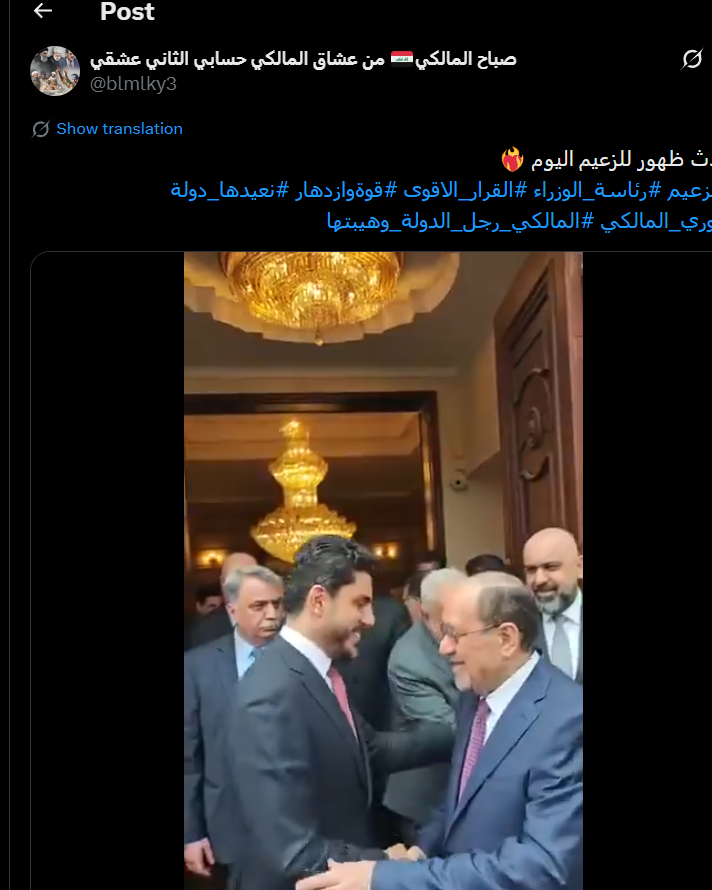
On X, the oldest post associated with the hashtag was published by the account @blmlky3 on January 3, 2026 (13:36).
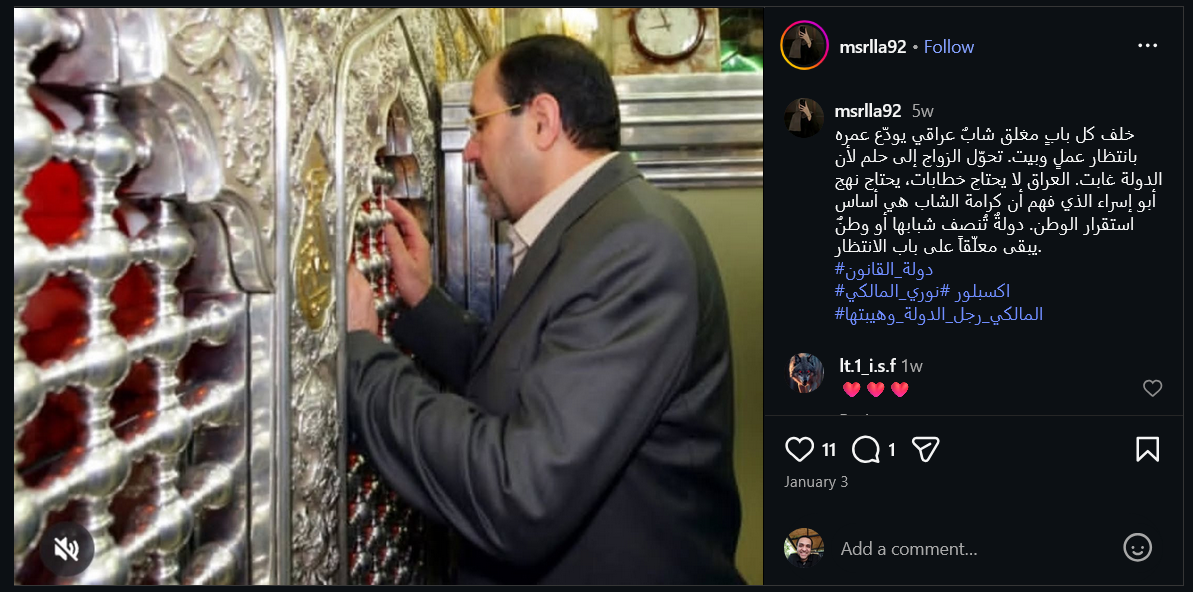
The hashtag first appeared on Facebook on January 4, 2026 (03:31) via an account named Sarah Hussein, and then on Instagram on January 5, 2026 (05:14) via the account @msrlla92, after an older post was found without a username listed in the sample data.
The Mount Iraq channel (@MountIraq) later posted content on YouTube on January 13, 2026.
These facts indicate that the campaign was not born on X as is common in many political campaigns, but began early on TikTok, before gradually branching out to the rest of the platforms.
In addition to the starting whistle, the data reveals accounts that played a decisive role in launching the major mobilization waves, by publishing content that triggered interaction in the first hour or two of each wave.
January 10 Wave
The January 10 wave is one of the most significant, as it was preceded by a textual planting phase hours before the mass explosion on TikTok. This phase focused on a semi-unified message with the text:
“The Coordination Framework nominates the leader for the premiership.”
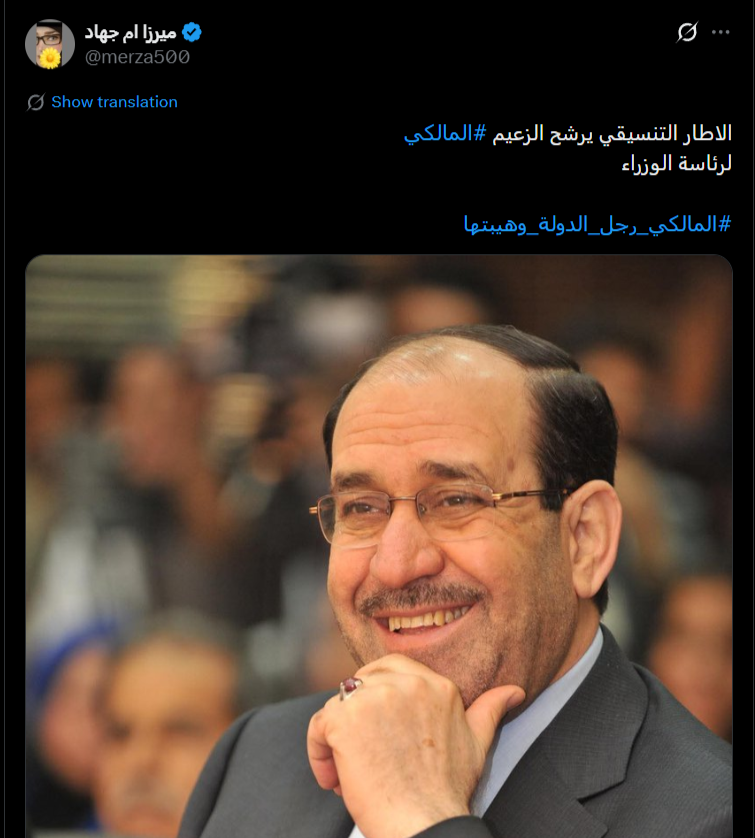
This text first appeared on the X via the account @merza500 at (12:45), then on Facebook via the account ala.alyasry.10054 at (12:48), and also appeared at a similar time on Instagram without identifying the account name in the log.
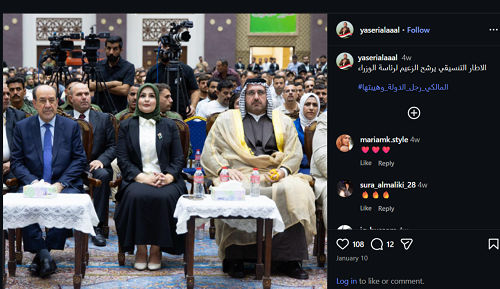
The message then moved to TikTok, where the account @secretary512 posted a "Breaking News" video at (14:05), forming the first strong visual push for the campaign.
The peak interaction during the rush hour around (15:00) was led by the TikTok accounts @mohumedfatll, @opphgtffyuu, and @adl10_8, through clips that garnered the highest engagement rates in that short period.
This sequence shows a clear pattern: planting a text message on traditional platforms, then converting it into high-impact visual content on TikTok.January 11th Wave
On January 11th, the wave's initial signal focused almost entirely on the TikTok platform, via a single account, @or9vv, which posted a video at (05:00) that caused a significant jump in engagement compared to the rest of the content at the same hour. This wave demonstrates a "single signal" model relying on one high-distribution video.January 17th Wave
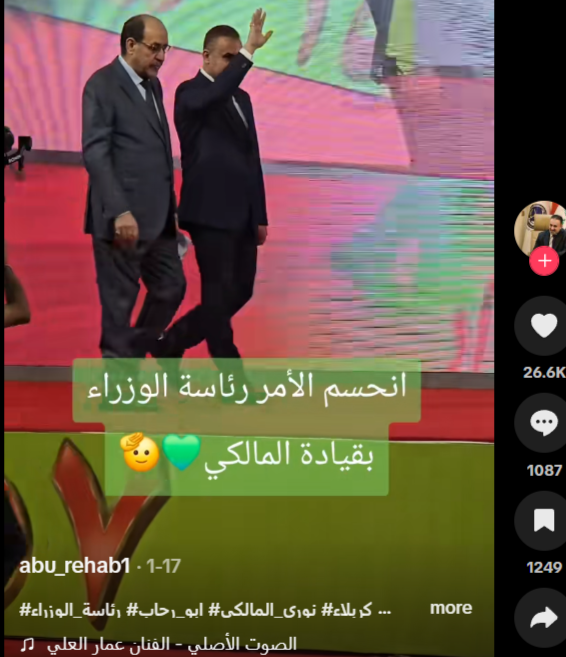
The January 17th wave saw two distinct whistles on TikTok, via the accounts @mhnedurxjwz and @abu_rehab1 in the first minutes of the peak hour (15:00–15:02).
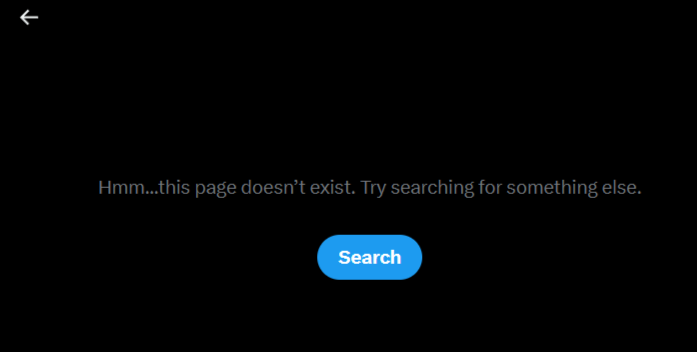
At approximately the same time, the account @nour_3026 became highly active on X through short, repeated posts—the account was closed shortly thereafter—that played a parallel role in amplifying the hashtag without being the main source of interaction.January 24 and 25 Waves
On January 24, the accounts @ali_wly_allah0 and @m._7r42 on TikTok signaled the midday wave through content formulated in a breaking news/urgent style that re-emphasized the "nomination and finalization" narrative.
The following day, January 25, a new wave erupted, led by the account @2il._8g, which single-handedly created the largest jump during peak hour.
A reading of the successive wave signals reveals a recurring pattern in the campaign management: formulating a short, copyable message → textually planting it on "X" or Facebook in some waves → converting it into highly viral visual content on TikTok → followed by parallel boosting to maintain the hashtag's presence.
This pattern alone does not prove the existence of direct central coordination, but it accurately identifies the campaign's operational launch points and the accounts that played the role of "planting" and "exploding," which paves the way for the transition to analyzing the accounts that amplified the interaction and managed its continuity.
Impact on the Audience
Data shows that the actual impact of the campaign was primarily focused on rapid mass reach via TikTok, where a limited number of videos saw significant jumps in interaction within short hours. This pattern indicates that the message reached a wide audience not necessarily engaged in traditional political debate, through simplified and emotional visual content, in contrast to a less impactful presence on X despite the high frequency of posting.
Thus, the impact was not formed through extended discussion or long-term cumulative interaction, but through intense bursts that re-introduced the name "Al-Maliki" into the public discourse at sensitive political moments.
The report's findings reveal that the hashtag #المالكي_رجل_الدولة_وهيبتها (Al-Maliki, Statesman and Symbol of State Prestige) did not spread as a stable, organic expression of public opinion, but as a digital activity that relied on separating roles between platforms: TikTok for generating the mass peak, and X for maintaining the intensity of appearance and repetition.
Although the data does not prove the existence of direct central coordination, indicators of temporal and account concentration, and the pattern of seeding and recycling, place the activity within the framework of targeted digital mobilization rather than open political debate, which highlights how digital platforms are employed to influence public opinion trends during periods of political competition.

Other Articles