Prepared by: Sherif Mourad
Arabi Facts Hub
is a nonprofit organization dedicated to research mis/disinformation in the Arabic content on the Internet and provide innovative solutions to detect and identify it.
When war erupts, it is not just fire that shifts fronts; meanings, accusations, and political alignments shift with it. This dynamic was clearly observed on social media platforms following the extensive Israeli strikes on Lebanon on April 8, 2026. The ensuing discussion quickly moved beyond the events on the ground to focus on the fundamental interpretation of the conflict. Was this a new act of aggression against Lebanon, an extension of a wider regional conflict, or a direct consequence of Hezbollah's role and position?
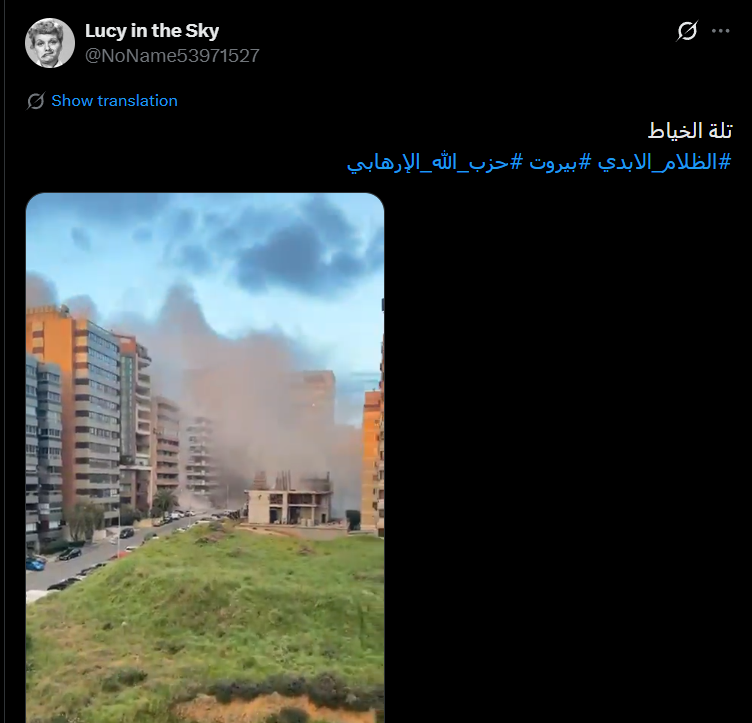
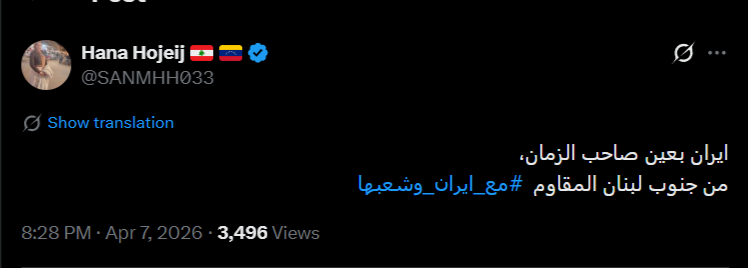
In the hours that followed the escalation, two distinct hashtags took prominence: #مع_ايران_وشعبها (With Iran and its People) was used to mobilize solidarity within the context of the larger war, while #الظلام_الأبدي (Eternal Darkness), initially created as a news tag for the military operation, rapidly evolved into a space for interpretation, accusation, and assigning blame. Between these two hashtags, platforms were not merely reflecting the event but actively restructuring its meaning, debating key questions: Who is the victim? Who bears responsibility? And who merits sympathy or condemnation?
This analysis uses updated digital data to deconstruct the battle between narratives. It shows that this competition is more than just a natural political division; it's a dynamic where genuine organic mobilization is interwoven with publishing patterns that appear too structured to be entirely spontaneous. While the data indicates the Iran support hashtag showed clearer signs of organized promotion and repetition, #الظلام_الأبدي (The Eternal Darkness) became a broader platform. This wider space was later penetrated by a layer of discourse designed to shift the conversation towards blaming and demonizing Hezbollah. Ultimately, this material examines not only how digital narratives around the war expanded, but also precisely where genuine interaction ends and directed influence begins.
Two Narrative Arenas, Not a Single Campaign
An initial reading of the data reveals that treating the two hashtags as two opposing campaigns in the strict sense would be an oversimplification. #مع_ايران_وشعبها (With Iran and its People) appears closer to a clear digital hashtag mobilization formula, primarily concentrated on Twitter, moving in quick, closely spaced bursts of posts, with a strong presence of condensed messaging, repetition, and ready-made hashtag packages.
Conversely, #الظلام_الأبدي (Eternal Darkness) does not operate in the same way; it first formed as a hashtag for sharing news tied to a shocking military moment. It then expanded across multiple platforms, from news sites and websites to Facebook and Twitter, before diverse narratives began to compete within it to interpret what had occurred.
This difference is important because it changes the reading angle itself. We are not facing two hashtags that reflect a simple, direct political polarization, but rather two distinct digital structures: the first is closer to mobilization and hashtag discipline, and the second is closer to an event explosion that was later injected with layers of interpretation, politicization, and blame-assignment. Therefore, the comparison is not merely between a "pro-stance" and an "opposing stance," but between two different ways of producing the digital narrative surrounding the war: one pushes toward alignment and mobilization, and the other reshapes the event itself through naming, interpretation, and defining responsibilities.
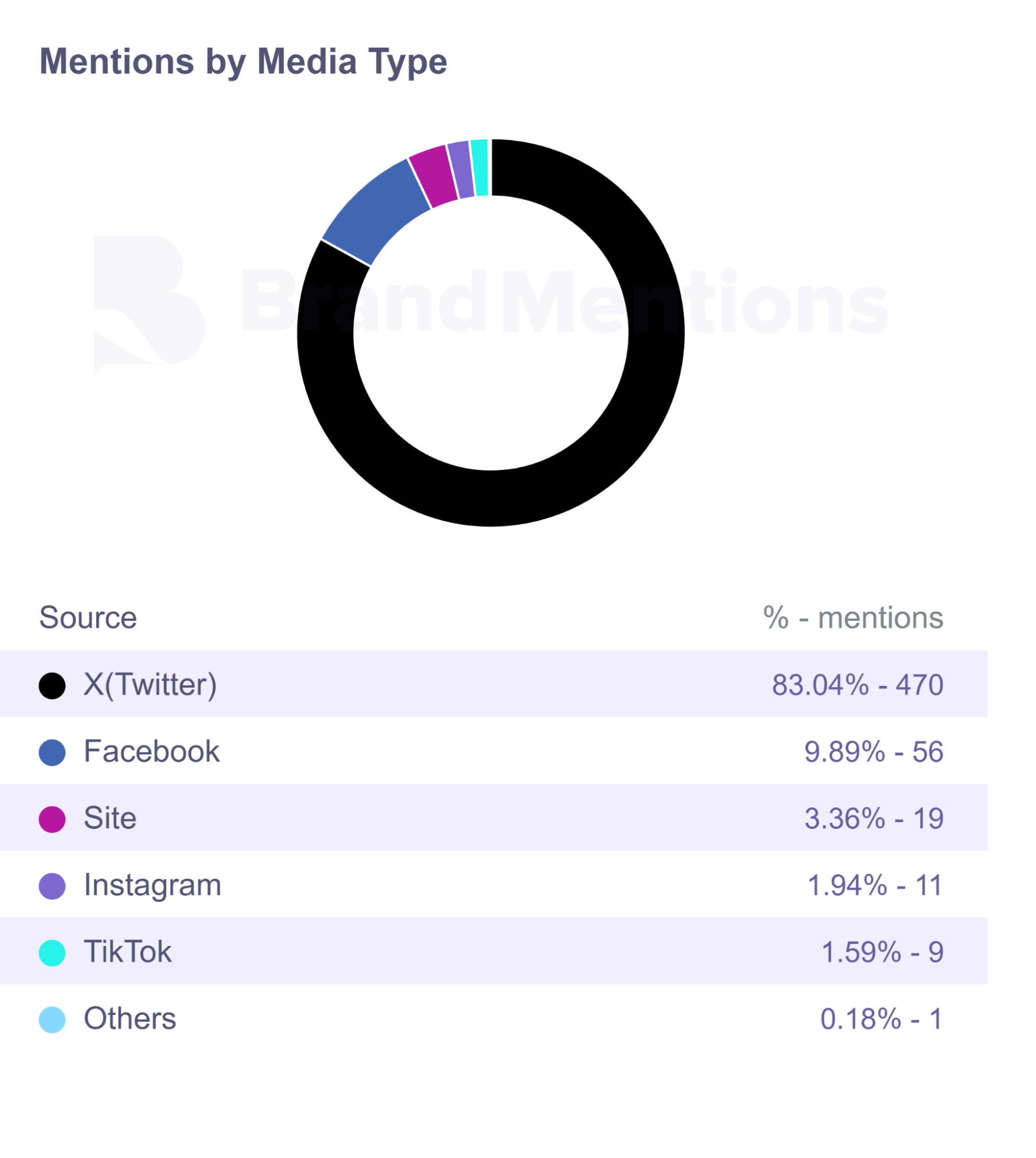
Since the difference between the two hashtags originates from their digital nature, the data makes this distinction even clearer when examining the structure of the interaction itself. Within the hashtag #مع_ايران_وشعبها (With Iran and its People), the activity was not merely a widespread, scattered expression of sympathy or political alignment, but appeared closer to a relatively disciplined hashtag mobilization. Out of 567 mentions in the sample, 469 originated on X alone, meaning the platform itself was the main stage for the activity, not just one part of it.
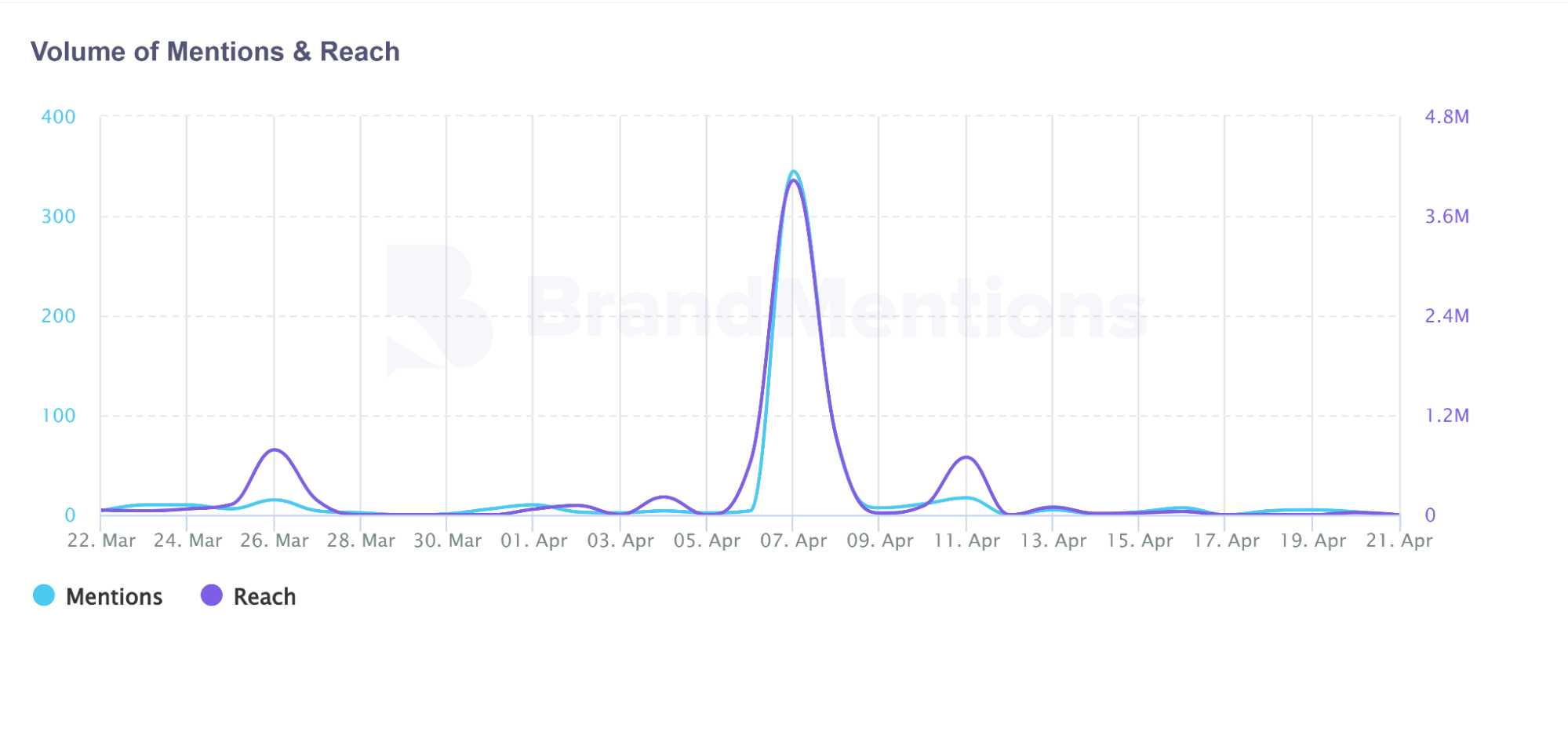
345 mentions appeared on a single day, April 7th, which accounts for 60.8% of the entire sample, with activity peaking at 112 mentions in a single hour. While this temporal concentration is not sufficient for a conclusive judgment on its own, it becomes noteworthy when considered with other factors.
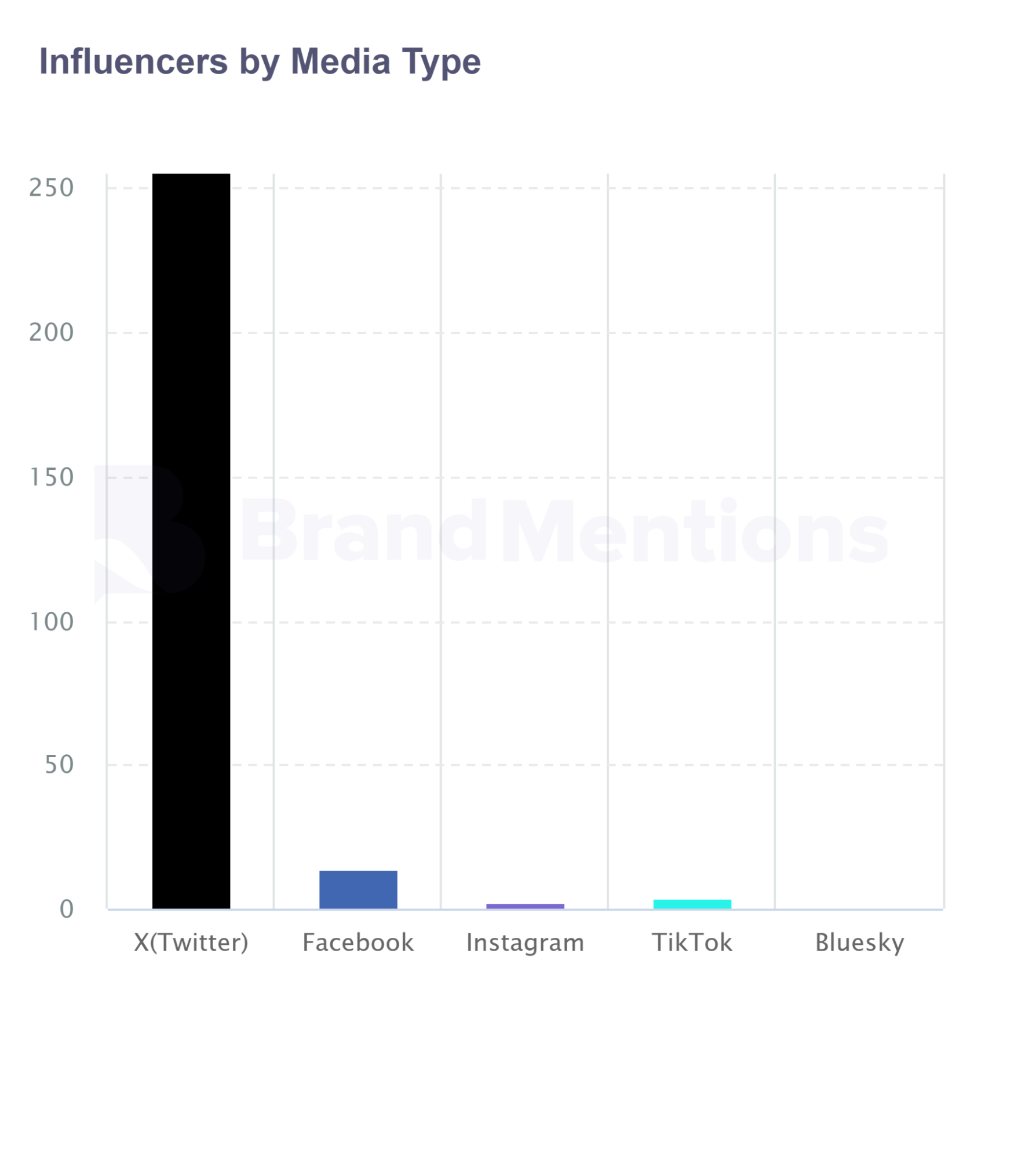
The sample reveals that only 424 posts were distributed across 255 accounts, but the true influence was not evenly distributed. The top ten accounts were responsible for 26.2% of the posts on X, while the top twenty accounts accounted for 34.4% of the activity. Parallel to this concentration, a considerable portion of the posts did not contain actual substance but rather simply repeated or boosted the hashtag. This is evident as 33.7% of the Twitter posts were "hashtag-light" or nearly empty of content, while 24.1% came in the form of replies or direct mentions. This pattern suggests that a part of the activity was focused on intensifying the digital presence rather than striving to build a cohesive discussion or a solid political narrative.
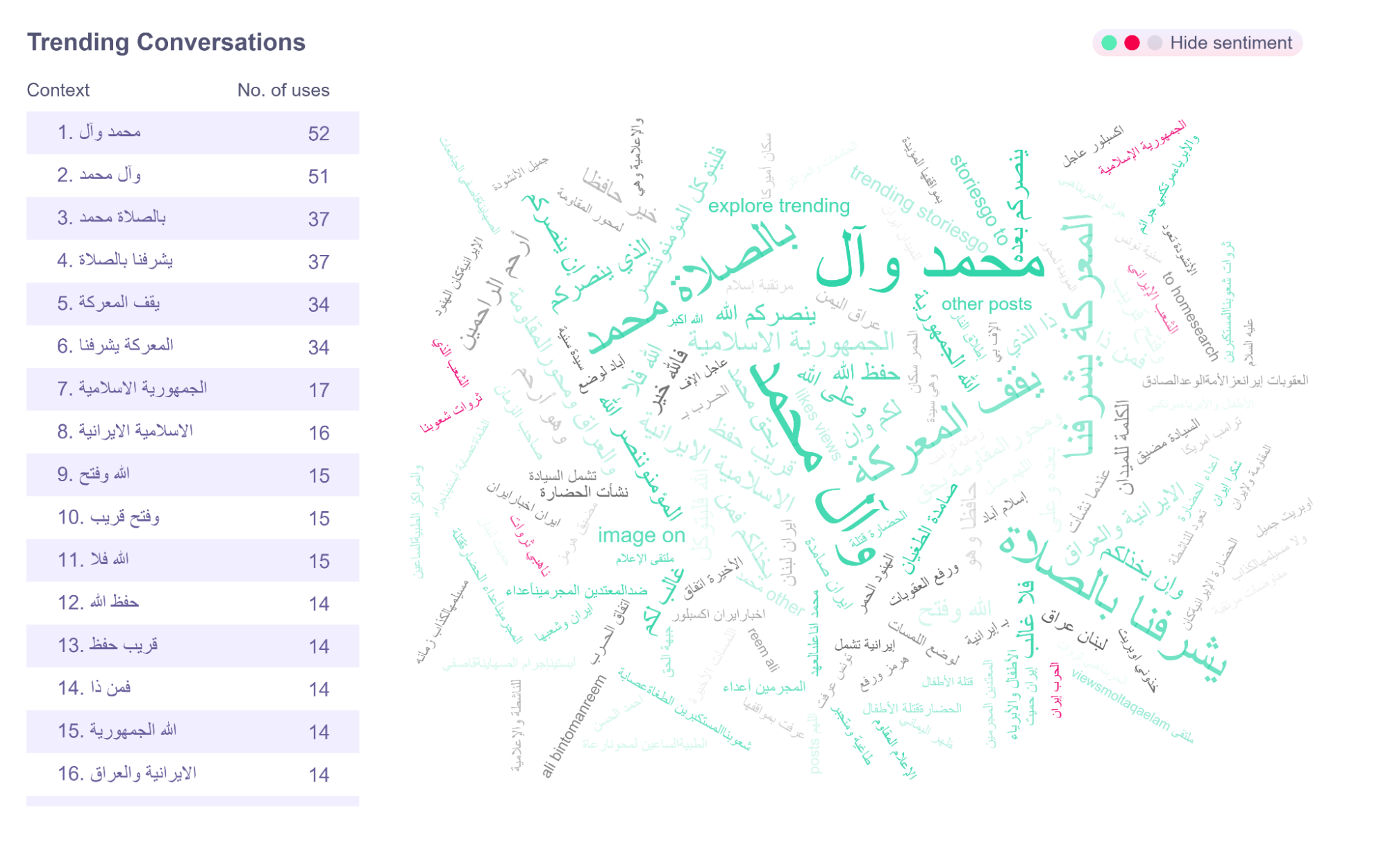
But the strongest indicator does not appear only in the volume or concentration of posting, but in the repetition of the text clusters themselves. Approximately 41% of the X posts in this hashtag fell within repeated text groups, some of which utilized long, nearly identical chains of political, religious, Arabic, Persian, and English hashtags. One of these clusters was repeated 48 times across 32 accounts, with 15 posts appearing in just the first 15 minutes of its launch. This suggests the activity is not merely fleeting political enthusiasm or a broad organic response, but closer to an organized or semi-organized push, particularly when repetition itself becomes the core structure of the spread, rather than message diversity or multiple perspectives.
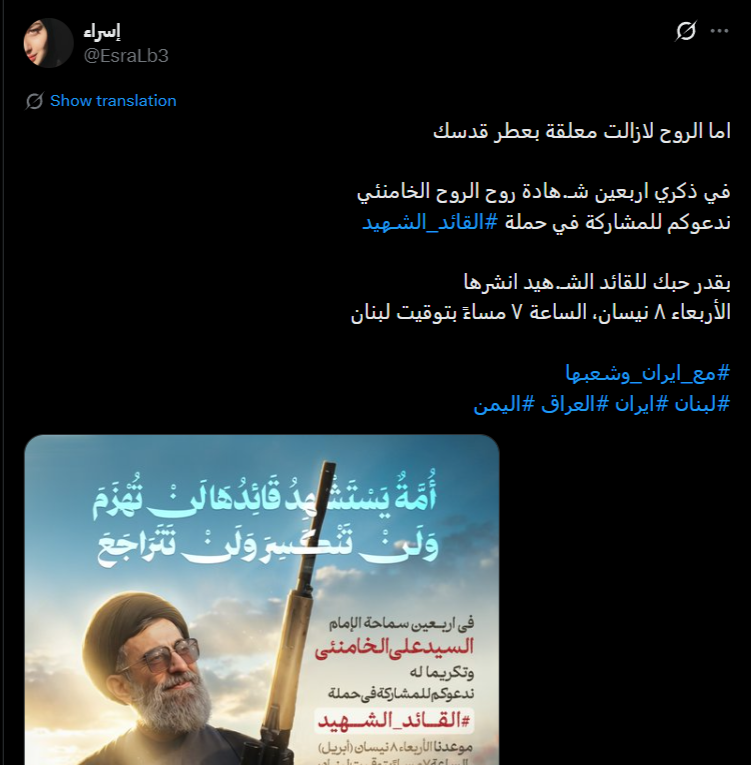
This does not mean that the entire hashtag was fabricated or that all participants were part of a directed campaign. Rather, the interaction space here combined genuine political sympathy with a layer of mobilization that was too disciplined to appear completely spontaneous. This is what makes the hashtag “With Iran and its People” closer, in this sample at least, to a model where the ideological narrative intersects with indicators of inauthentic or semi-coordinated behavior, without this becoming a definitive judgment on every individual who participated or on the hashtag as a whole, considered as a single, closed network.
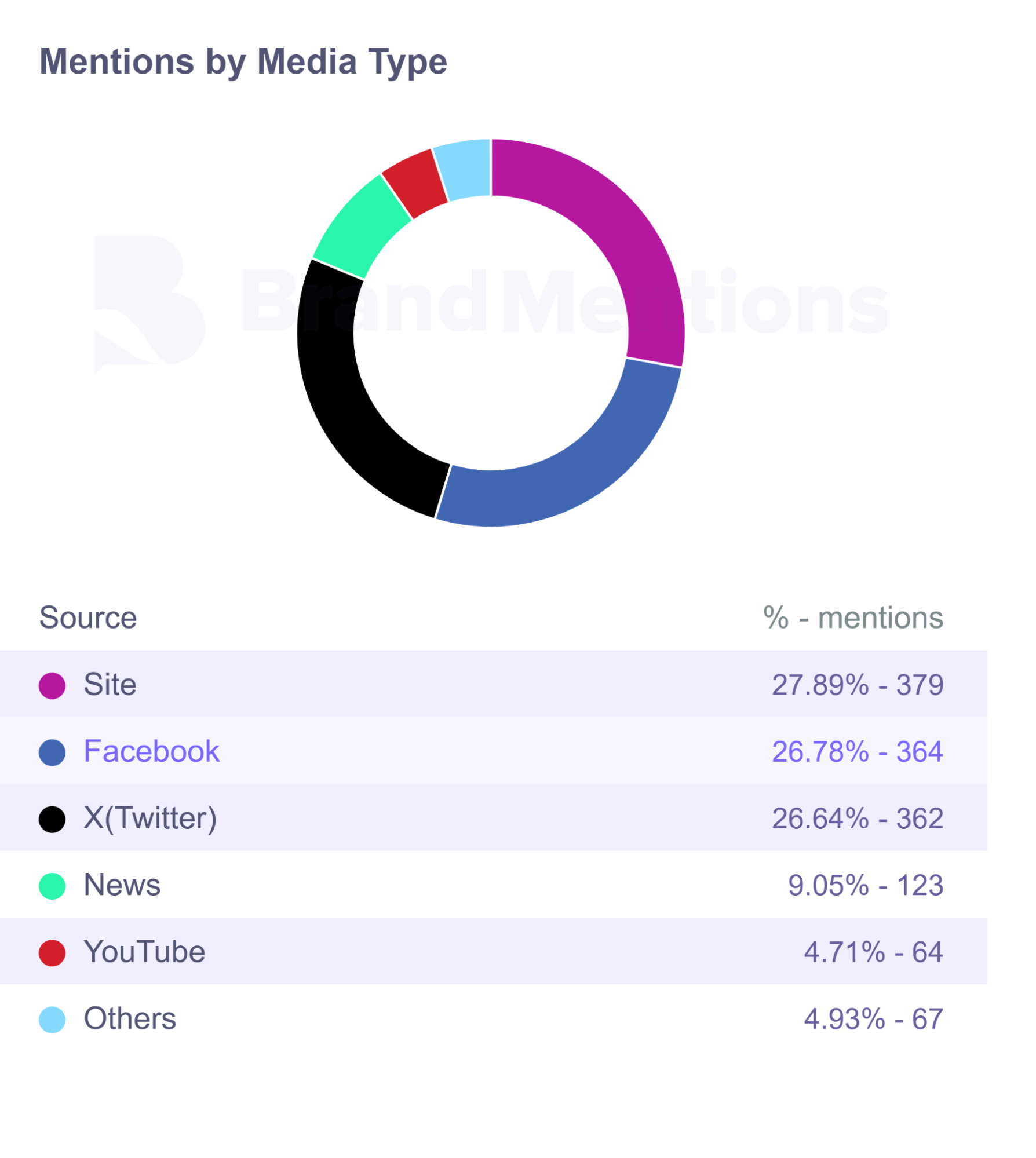
The landscape shifts notably when examining the #الظلام_الأبدي (Eternal Darkness) hashtag. With a more extensive sample of 1,339 mentions, its spread follows a pattern distinct from the pro-Iran hashtag. Rather than being contained within X, the hashtag was integrated into a comprehensive news and media cycle from its inception. This multi-platform origin is reflected in the data: 370 mentions stemmed from websites, 364 from Facebook, 359 from X, and 118 from traditional news outlets.
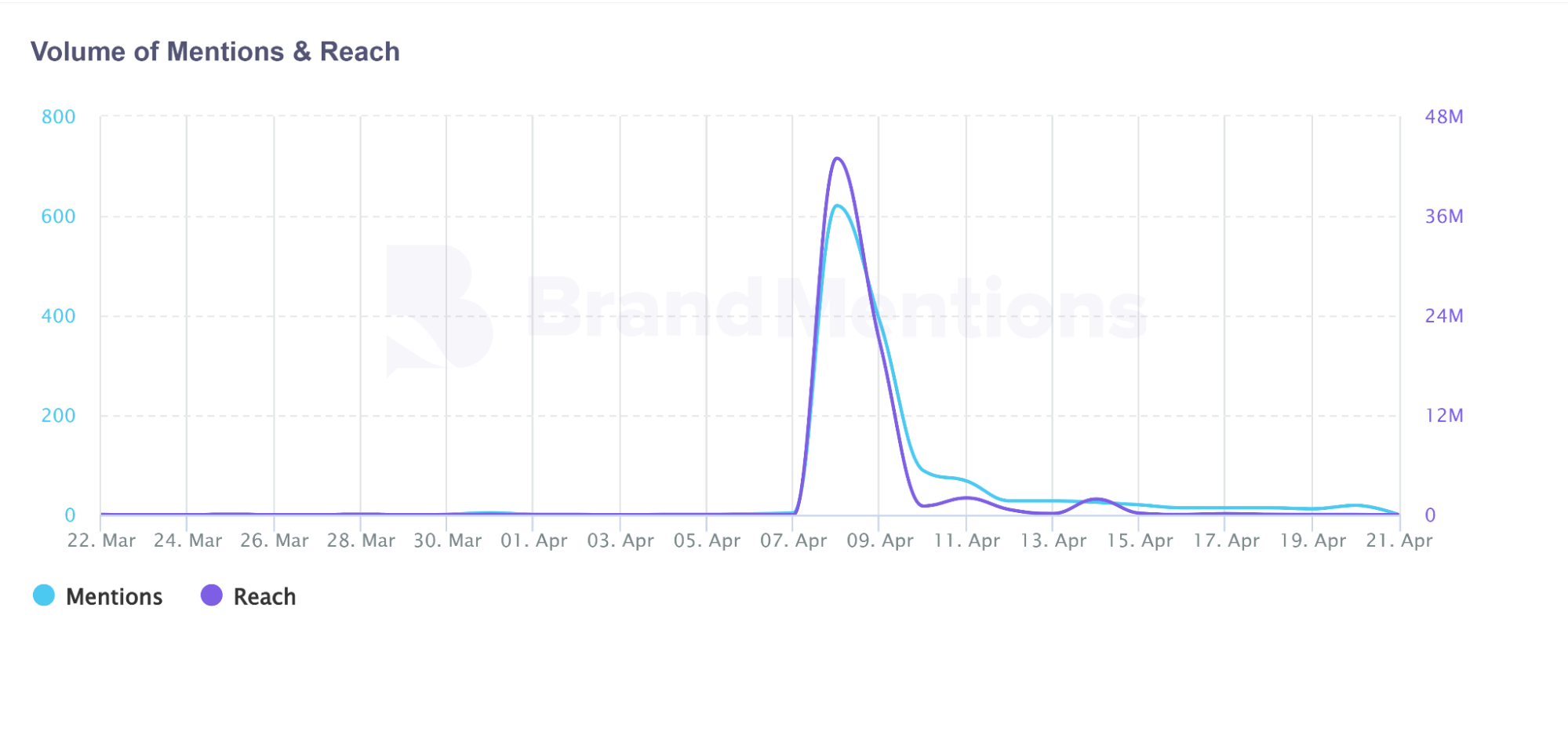
This is further confirmed by the fact that 621 mentions appeared on April 8th alone, with activity peaking at 170 mentions in a single hour. This means the hashtag captured the burst at the time of the event itself, rather than merely a wave of alignment or political mobilization.
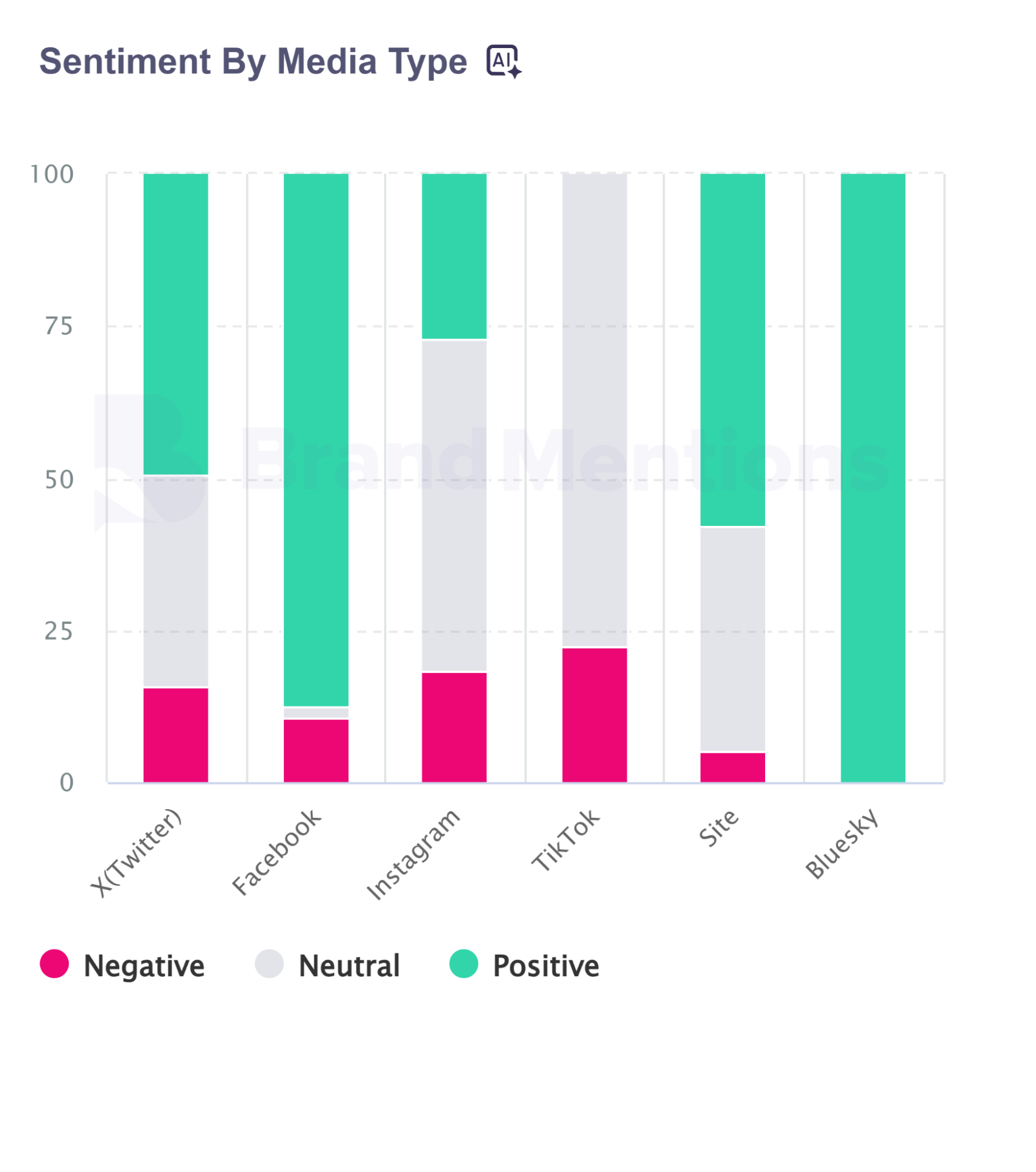
When we look at X alone, the signs of concentration clearly decrease compared to the first hashtag. 335 posts were distributed across 278 accounts, and the top ten accounts represented only 12.5% of the posts, while the contribution of the top twenty accounts reached just 18.5%. Furthermore, 72.5% of the tweets came from accounts that posted only once within the sample, and text repetition dropped to about 13.1%, while 97.6% of the posts carried actual content, not just repeated hashtags or mentions. All of this makes it difficult to view the entire hashtag as a unified block of inauthentic activity or to automatically equate it with the mobilization structure that appeared in the first hashtag.
However, the expansion of the news framework does not mean the hashtag remained neutral. What the data reveals is that the event itself became a platform for the redistribution of blame. With the wider circulation, the hashtag was no longer merely a title for a military operation or extensive raids, but became a space where different interpretations of what happened competed: some posts kept the focus on the bombing, the victims, and the aggression against Lebanon, while other posts directly linked what happened to Hezbollah, its weapon, and its role—not just as part of the context, but as responsible for what occurred or as its cause.
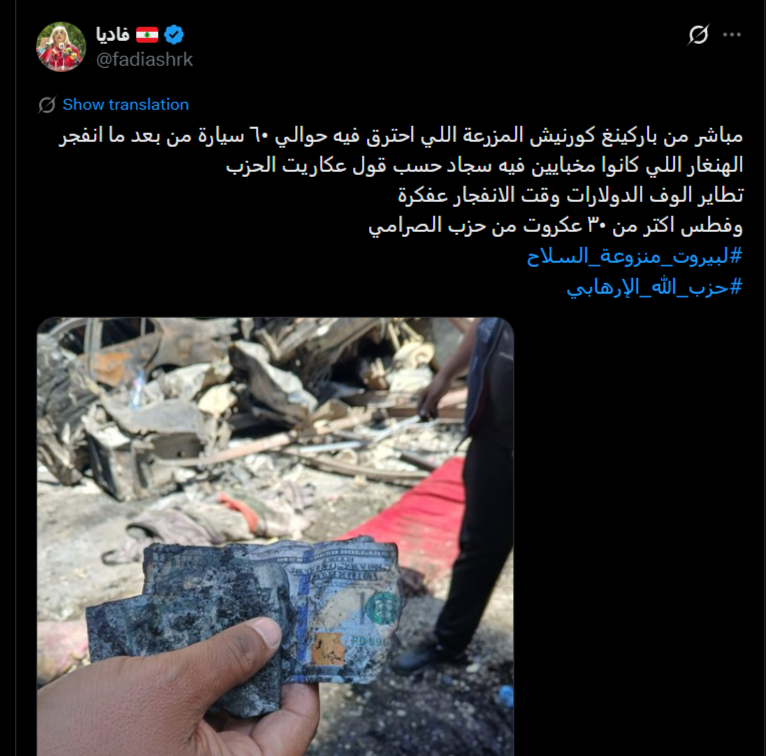
This context brings the layer associated with our second hypothesis into focus. A distinct sub-cluster emerged within the hashtag, successfully pivoting the conversation away from the actual military engagement and toward the systematic demonization of Hezbollah to preemptively stifle any sympathetic sentiment. This shift was characterized by the use of targeted labels like "Hezbollah the terrorist," "The Devil's Party" (Hezb al-Shaytan), and "The Party brings about Eternal Darkness," effectively tying the aerial strikes to demands for disarmament or insistence on the group's political and moral culpability for Lebanon's crisis. Notably, this narrative was not merely a product of spontaneous individual outrage; its presence across diverse websites and social media pages indicates that the content likely began within partisan or media-driven publishing hubs before being disseminated and recycled across various digital platforms.
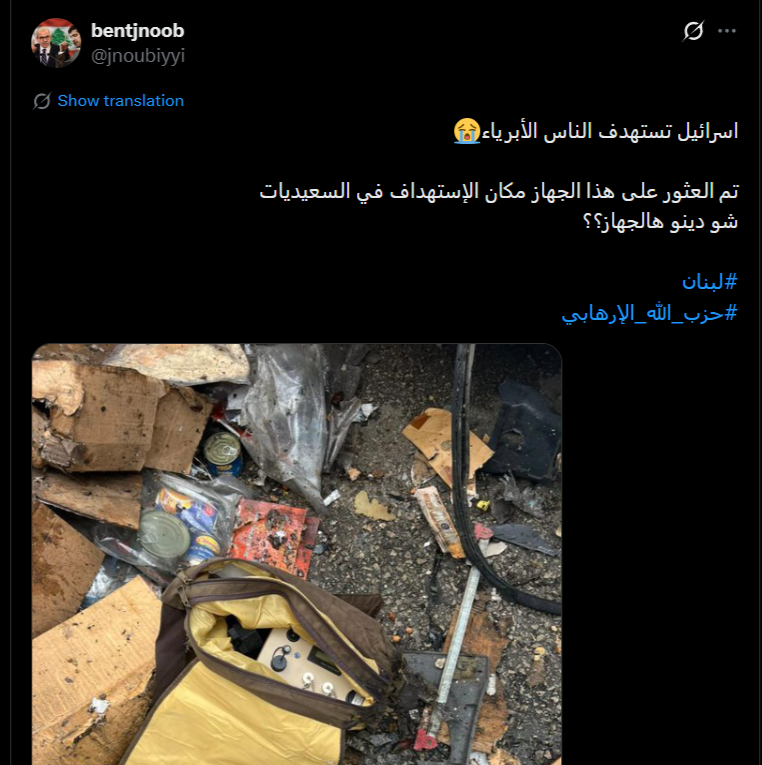
Therefore, the significance of the hashtag #الظلام_الأبدي (Eternal Darkness) is not that it offers strong evidence of a coordinated campaign comparable to the Iran support hashtag, but rather that it reveals an entirely different mechanism: how a major event on the ground, once transformed into a headline and a platform for circulation, can become a vessel for the political and moral rearrangement of responsibilities. While the bombing was the starting point, the discussion was not confined to the question of aggression against Lebanon, but rapidly expanded to a different query: who deserves sympathy, and who should bear the blame?
What Does the Comparison Actually Reveal?
What this comparison ultimately reveals is not merely a difference in the volume of interaction or the tone of the discourse, but a fundamental difference in the way the narrative itself operates. With the hashtag #مع_ايران_وشعبها (With Iran and its People), the amplification appears to rely more heavily on the logic of hashtag mobilization: a clear tag, direct alignment, short messages, repetitive packages, and a notable presence of accounts that pushed the discussion in a single direction during a narrow timeframe. The apparent goal here was to quickly cement a political and moral stance: Iran is under attack, and therefore supporting it and its people becomes an act of aligning oneself in a wider war.
Conversely, with the hashtag #الظلام_الأبدي (Eternal Darkness), the interaction did not begin with alignment but with the shocking event itself. The name tied to the military operation allowed the tag to spread rapidly, but this speed did not result in a single, unified discourse. Instead, the hashtag became an arena where multiple narratives competed at once: one narrative kept the focus on the bombing, the victims, and the aggression against Lebanon, while another internally rearranged responsibility by placing Hezbollah at the core of the blame and accusation. Therefore, what emerged here was not a cohesive hashtag push, as seen in the first tag, but a political exploitation of an explosive news context.
This distinction is crucial because it prevents us from jumping to two hasty conclusions. The first is automatically considering all digital amplification as evidence of a coordinated campaign or an inauthentic network. The second is viewing everything that occurred as a natural, organic expression of political division.
The updated data suggests something more complex: there are indeed layers of activity that appear too disciplined to be entirely spontaneous, especially within the Iran support hashtag. Furthermore, layers of targeting and reframing emerged within the “Eternal Darkness” hashtag, not via a single, visible network, but through an intersection of individual accounts, pages, websites, and partisan or media discourse that consistently recycled the same messages.
Thus, the more precise question is not whether one hashtag was authentic and the other directed. Rather: How did organic interaction blend with patterns of propagation, repetition, and redirection within each hashtag differently? In the first case, solidarity and mobilization merged with a relatively disciplined hashtag discourse. In the second, breaking news and collective shock merged with a discourse of blame and treason that exploited the event to internally reposition various sides.
Therefore, this analysis does not lead to a definitive verdict on the presence of fully structured "coordinated campaigns" in both instances. Instead, it arrives at a more precise conclusion: platforms were integral to the battle over the interpretation of the war, not merely a space for interaction with it. Between mobilization, framing, accusations of treason, and message recycling, the boundaries separating the organic from the directed activity appear less distinct than they seem at first glance. This is precisely what makes analyzing these narratives essential: not just to understand what was said on the platforms, but to understand how, in a moment of war, an attempt was made to redefine who the victim is, who is responsible, and who has the right to speak in the name of the tragedy.
Prepared by: Sherif Mourad